

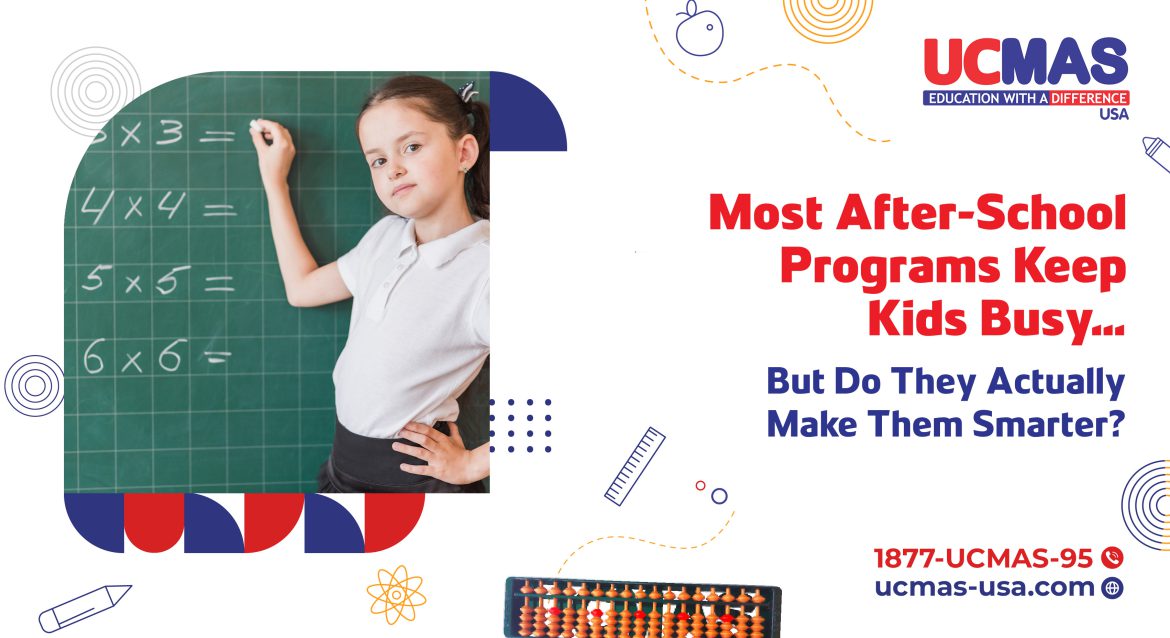
Every parent in Pittsburgh is searching for one thing: the best after school programs Pittsburgh has to offer.
It often starts with a simple need—keeping children engaged after school hours. But today, the expectation has changed. Parents are no longer just looking for supervision. They’re searching for meaningful enrichment programs that actually contribute to their child’s growth.
Because here’s the truth:
Not all after-school programs are created equal.
Some fill time.
Others build the brain.
If you’re searching for after school programs near me in Pittsburgh, the real question isn’t just where to enroll—it’s what kind of development your child is getting.
At UCMAS, the focus goes beyond academics. It’s about shaping how children think, learn, and solve problems—skills that last far beyond the classroom.
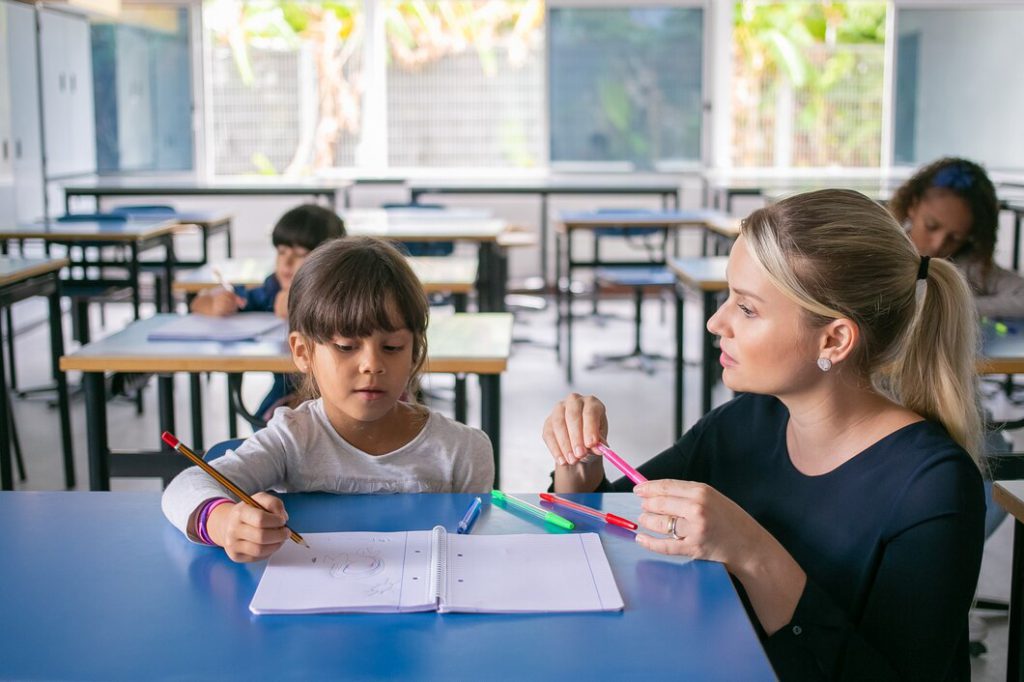
Children today are growing up in a world full of distractions—screens, short attention spans, and constant stimulation.
While traditional education focuses on what to learn, brain-based learning focuses on how to think.
This is where cognitive skills development becomes critical.
What Are Cognitive Skills?
Cognitive skills are the core mental abilities that drive learning. These include:
- Memory
- Concentration
- Logical reasoning
- Problem-solving
- Visualization
When these skills are strong, everything else becomes easier—math, reading, even decision-making.
Programs that emphasize brain training—like those explained in this guide on brain-based education—help children build these foundational abilities early.
Types of After-School Programs in Pittsburgh
When you search for kids learning centers near me, you’ll find a wide variety of options. But they don’t all serve the same purpose.
Let’s break them down.
1. Homework & Tutoring Programs
These programs focus on school performance—helping children complete assignments and improve grades.
Limitation:
They often rely on memorization rather than true understanding.
2. Activity-Based Programs (Sports, Arts, Music)
These are great for creativity and physical development.
Benefits:
- Builds confidence
- Encourages expression
- Improves physical health
Limitation:
They don’t always contribute directly to cognitive growth.
3. STEM & Coding Programs
These programs introduce children to technology, robotics, and coding.
Benefits:
- Logical thinking
- Problem-solving
- Exposure to future skills
4. Brain Development Programs (The Game-Changer)
This is where real transformation happens.
Programs focused on brain development classes near me go deeper. Instead of just teaching subjects, they train the brain itself.
These programs work on:
- Mental math
- Visualization techniques
- Memory strengthening
- Focus enhancement
This is where structured systems like UCMAS stand out.
Why Structured Learning Makes All the Difference
Here’s something most parents don’t realize:
Unstructured activities = engagement
Structured learning = transformation
A well-designed after-school program follows a system—one that progressively builds skills over time.
What Structured Programs Do Better:
- Create consistency in learning
- Track measurable progress
- Build discipline and routine
- Develop long-term thinking skills
If you’re unsure how to evaluate options, this guide on how to find the best brain development program can help.
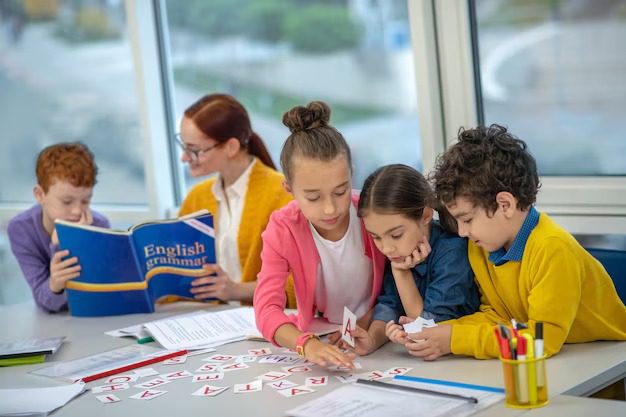
How Brain Development Programs Improve Academic Performance
Parents often ask:
“Will this actually help my child in school?”
The answer is yes—and here’s why.
- Better Focus in Class: Children trained in cognitive exercises can concentrate longer and avoid distractions.
- Faster Problem-Solving: Instead of struggling, they process information quicker and respond confidently.
- Stronger Memory Retention: Concepts stick. Children don’t need constant repetition.
- Increased Confidence: When children know they can solve problems, their fear of failure disappears.
- Long-Term Academic Advantage: This isn’t short-term improvement—it’s a lifelong skill set.
The Hidden Problem with Most After-School Programs
Let’s be honest.
Many programs are designed to keep kids busy—not to make them better thinkers.
You’ll often see:
- Repetitive worksheets
- Passive learning methods
- Lack of skill tracking
- No real cognitive development focus
This is why many parents continue searching for enrichment classes for kids near me—because they don’t see real results.
What Makes UCMAS Programs Different
When it comes to after school programs in Pittsburgh, not many programs focus on both academic success and brain development.
UCMAS follows a structured, research-backed approach that combines:
- Abacus-Based Learning: Children use visual tools to perform calculations, which strengthens brain connections.
- Whole Brain Activation: Both left (logic) and right (creativity) sides of the brain are engaged.
- Progressive Skill Building: Each level builds upon the previous one—ensuring continuous growth.
- Measurable Results: Parents can track improvements in Speed, accuracy, confidence and focus
- Global Recognition: Programs are used worldwide, with students showcasing exceptional mental math abilities.
Building the Ideal After-School Routine
Choosing the right program is just one part of the equation. Consistency is what creates results.
A balanced after-school routine should include:
- Brain training activities
- Homework time
- Physical play
- Rest and relaxation
You can explore a practical routine here on after school routine for kids.
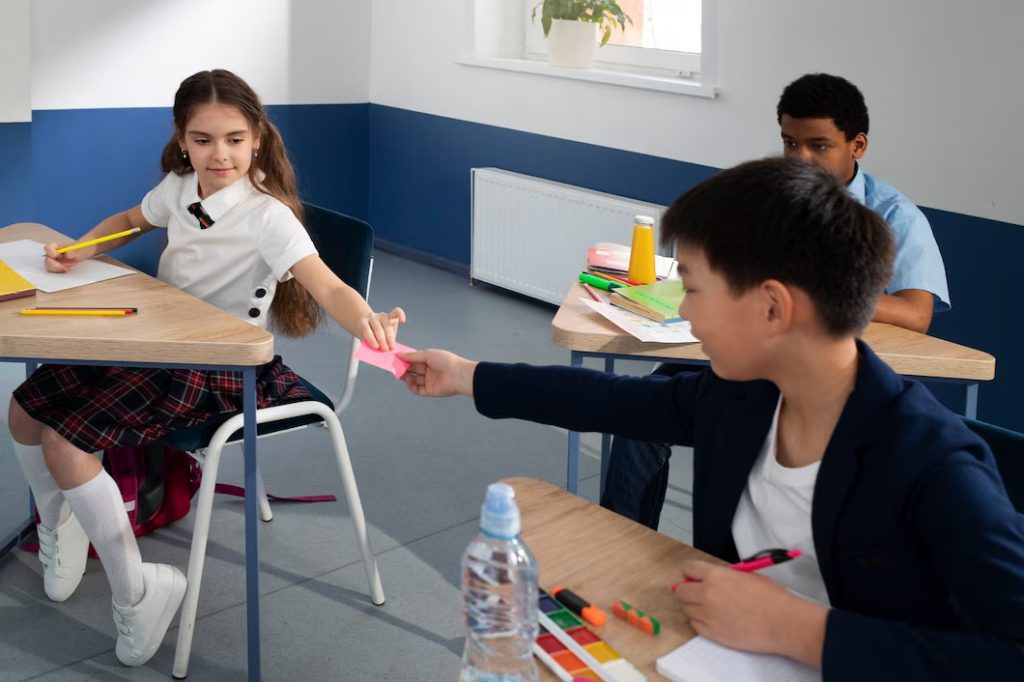
How to Choose the Right Program in Pittsburgh
If you’re searching for after school programs near me Pittsburgh, use this checklist:
Look For:
- A structured curriculum
- Focus on cognitive skills development
- Small batch sizes
- Measurable outcomes
- Experienced instructors
Avoid:
- Programs with no clear learning goals
- Overcrowded classes
- Purely activity-based engagement without skill-building
Why Pittsburgh Parents Are Shifting Toward Brain Development Programs
There’s a growing awareness among parents:
Grades alone don’t define success anymore.
What matters is:
- How fast a child learns
- How well they adapt
- How confidently they solve problems
This shift is driving demand for brain development classes near me and redefining what parents expect from after-school programs.
Choose Growth Over Just Engagement - Choose UCMAS
Not all after-school programs are equal.
Some keep children occupied.
Others prepare them for the future.
If you’re serious about your child’s development, focus on programs that build thinking ability, confidence and cognitive strength.
That’s where real transformation happens.
Explore how UCMAS is helping children unlock their full potential:
Book an info session today and give your child the advantage that lasts a lifetime.
Frequently Asked Questions (FAQs)
The best after-school programs are those that go beyond homework help and focus on overall development. Look for programs that build cognitive skills, improve focus, and offer structured learning. Brain development programs like UCMAS stand out because they combine academic growth with skill-building.
Early childhood is the most critical phase for brain growth and learning ability. Strong cognitive skills like memory, focus, and reasoning help children learn faster and more effectively. Building these skills early creates a strong foundation for long-term academic success.
High-quality after-school programs use structured activities to train memory, concentration, and logical thinking. These exercises strengthen neural connections, making it easier for children to process and retain information. Over time, this leads to better academic performance and problem-solving abilities.
A good program should have a clear structure, measurable progress, and a focus on skill development. Small class sizes and experienced instructors also play a key role in effective learning. Most importantly, it should help your child grow—not just stay occupied.
Enrichment programs focus on developing thinking skills, while traditional tutoring often focuses only on completing schoolwork. This makes enrichment programs more effective for long-term growth. They help children become independent learners rather than dependent on guidance.
Children can start as early as 4 to 6 years, when brain development is at its peak. Early exposure helps build strong cognitive abilities during the most receptive learning phase.
Yes, especially programs that focus on cognitive development rather than rote learning. They improve essential skills like focus, memory, and problem-solving, which impact all subjects. Over time, this leads to consistent and sustainable academic improvement.