

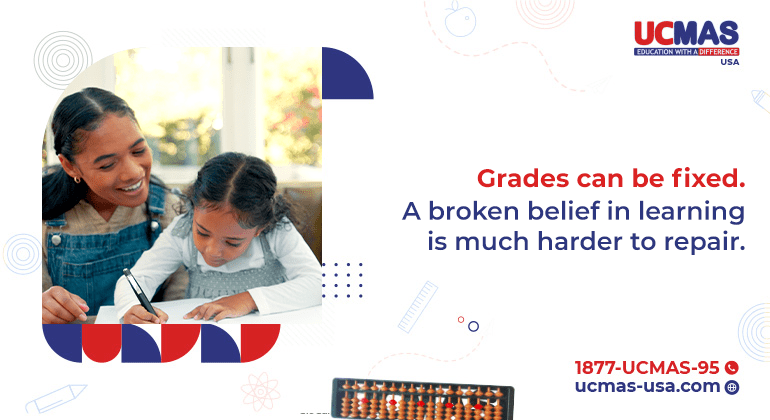
“I’m not good at studies.”
Most parents have heard this sentence at least once—and it stings every time.
What’s worrying isn’t just the marks behind that statement, but the belief forming underneath it. Academic confidence in kids plays a far bigger role than grades alone. A confident child raises their hand, attempts problems independently, and doesn’t shut down after making mistakes. Over time, that confidence shapes how they learn, how they perform under pressure, and how they see themselves as students.
The truth is, academic confidence isn’t something children are born with. It’s built gradually—through experiences, encouragement, and the right learning structure. That’s why programs focused on skill development, such as those offered by UCMAS and other enrichment initiatives, place equal importance on how children learn, not just what they score.
In this blog, we’ll explore the hidden reasons why children lose academic confidence, and 10 proven, practical ways parents can help build it.
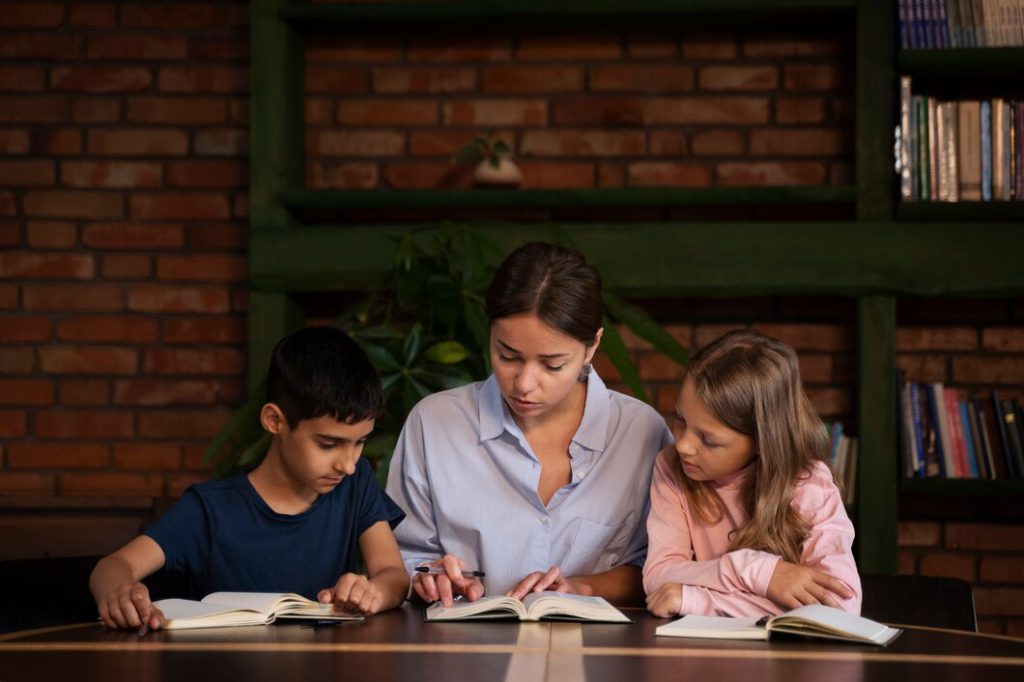
Why Some Children Struggle With Academic Confidence
Most confidence struggles aren’t rooted in laziness or lack of intelligence. They grow from repeated experiences that quietly chip away at a child’s belief in themselves.
1. Fear of Failure and Mistakes
Many children associate mistakes with embarrassment or disappointment. When perfection is expected, even small errors can feel overwhelming. Over time, this fear prevents children from trying at all—because not attempting feels safer than failing.
2. Constant Comparison With Peers
Rankings, marks, and comparisons—whether intentional or not—can make children feel “less than.” When siblings or classmates become benchmarks, kids may stop focusing on their own growth and start doubting their abilities.
3. Gaps in Foundational Skills
Weak basics in math or language often go unnoticed until learning becomes harder. When children fall behind, they don’t just struggle academically—they begin to question their intelligence, leading to declining academic confidence in kids.
4. Negative Feedback Loops
Repeated comments like “you’re careless” or “you’re slow” can stick longer than praise. Children internalize these labels and begin to see them as fixed traits instead of temporary challenges.
5. Overdependence on External Validation
When children study only for rewards or praise, confidence becomes fragile. The moment validation disappears, so does their motivation—and belief in themselves.

10 Proven Ways to Improve Academic Confidence in Children
Confidence doesn’t grow overnight. It’s the result of small, consistent wins that slowly reshape how children see their abilities.
1. Focus on Effort, Not Just Results
Praise persistence, strategies, and improvement rather than marks alone. When children learn that effort matters, they’re more willing to try again—even when things don’t go perfectly.
2. Normalize Mistakes as Part of Learning
Talk openly about mistakes and treat them as learning opportunities. Sharing examples of trial and error helps children understand that progress is rarely linear.
3. Strengthen Foundational Skills Early
Strong basics act as confidence anchors. When children truly understand concepts—especially in math and numeracy—they approach new challenges with assurance rather than anxiety.
4. Set Achievable, Short-Term Goals
Large tasks can feel intimidating. Breaking work into smaller milestones makes success feel attainable, and each completed step builds belief and momentum.
5. Encourage Independent Problem-Solving
Resist the urge to step in too quickly. Let children attempt problems, ask guiding questions, and arrive at solutions themselves. This process builds self-trust and resilience.
6. Create a Consistent Learning Routine
Predictability reduces stress. A structured routine helps children feel in control of their learning, which naturally helps build confidence in children over time.
7. Use Multi-Sensory Learning Methods
Children learn best when multiple senses are engaged. Visual, auditory, and hands-on methods improve understanding and retention, making learning feel less intimidating.

8. Avoid Labels and Comparisons
Labels like “weak student” or “math kid” can quietly define a child’s identity. Instead, compare progress with past performance to reinforce growth, not competition.
9. Build Speed and Accuracy Gradually
Hesitation often signals uncertainty rather than inability. Gentle, timed practice—without pressure—helps children build fluency, which directly strengthens confidence.
10. Introduce Structured Skill-Building Programs
Programs with clear levels, measurable progress, and visible improvement help children see their growth. Structure removes uncertainty and reinforces the belief that ability improves with practice.
How Abacus Training Helps Build Academic Confidence
Confidence grows fastest when children can see their improvement—and structured learning makes that visible.
Abacus training begins with physical tools and gradually shifts to mental visualization. This transition sharpens focus, memory, and clarity—skills that extend beyond math.
With defined levels, worksheets, and timed practice, children experience tangible progress. This sense of “I can do this” plays a major role in improving academic confidence in kids.
Programs like UCMAS often reinforce learning through workshops and camps that make math engaging and rewarding. Seasonal programs such as the Spring Math Workshop and the Summer Camp by UCMAS provide immersive environments where children build skills while enjoying the process.
The impact of this learning environment goes far beyond calculations. Parents often notice improved classroom participation, calmer exam behavior, and a stronger academic self-image overall.
Confidence Is a Skill, Not a Trait
Academic confidence can be taught, practiced, and strengthened—just like any other skill. When children experience consistent progress, supportive feedback, and structured learning, their belief in themselves naturally grows.
Early investment in confidence-building programs like UCMAS doesn’t just improve grades. It builds resilience, independence, and a lifelong love for learning. Small daily steps—taken consistently—create lasting belief.
If you want your child to approach learning with clarity, calm, and confidence—not pressure—now is the time to act. Take the first step toward confident learning by booking an info session with UCMAS today!
Because when children believe they can, everything changes.
FAQs
Academic confidence in kids is a child’s belief in their ability to understand, attempt, and improve in school subjects without fear of failure or comparison.
Parents can build confidence in children by focusing on effort over results, encouraging independent problem-solving, and providing consistent learning routines and positive feedback.
Confidence often drops due to fear of making mistakes, constant comparison with peers, or pressure to perform, even when a child has the required knowledge.
Yes, structured programs with clear levels and visible progress help children see improvement, which directly strengthens academic confidence in kids over time.
Strong academic confidence helps children participate more actively, handle pressure better, and develop resilience that carries into exams, presentations, and future challenges.
Confidence building should begin early, as foundational skills and positive learning experiences in the early years set the tone for long-term academic success.