

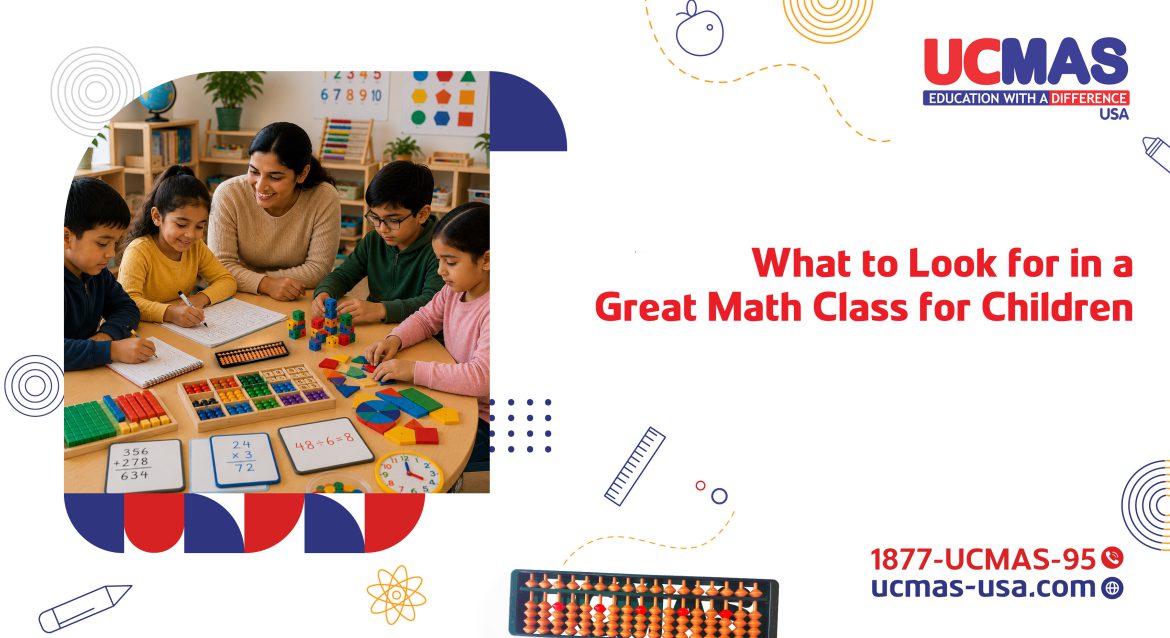
Parents today are constantly searching for the best afterschool programs that go beyond homework help and truly prepare children for the future. Academic excellence still matters, but modern parents are also looking for programs that improve concentration, confidence, creativity, and problem-solving skills.
That’s why mental math classes and abacus classes are becoming increasingly popular across the United States. More families are discovering that children who develop strong mental calculation skills often perform better not just in math, but in focus-intensive activities across school and daily life.

If you’ve ever searched online for “mental maths classes near me,” you’ve probably come across dozens of options, from local enrichment centers to online abacus classes for kids. But how do you know which one is actually right for your child?
This complete guide will help you understand:
What mental math and abacus learning actually involve
Why parents are choosing these programs
How to identify a quality abacus math school
The benefits of online vs in-person learning
What to look for before enrolling your child
Why Parents Are Prioritizing Mental Math Programs
Traditional classroom learning often focuses heavily on memorization and standardized testing. While those are important, many children struggle with concentration, confidence, and numerical fluency.
This is where abacus classes and mental math programs stand apart.
Unlike conventional tutoring, these programs train the brain to process numbers visually and mentally. Children learn to calculate quickly while strengthening:
Memory retention
Visualization skills
Attention span
Listening skills
Analytical thinking
Confidence under pressure
Parents increasingly consider these programs among the best afterschool programs because they combine academic improvement with cognitive development.
What Are Mental Math Classes?
Mental math classes teach children to perform calculations rapidly without relying on calculators or finger counting.
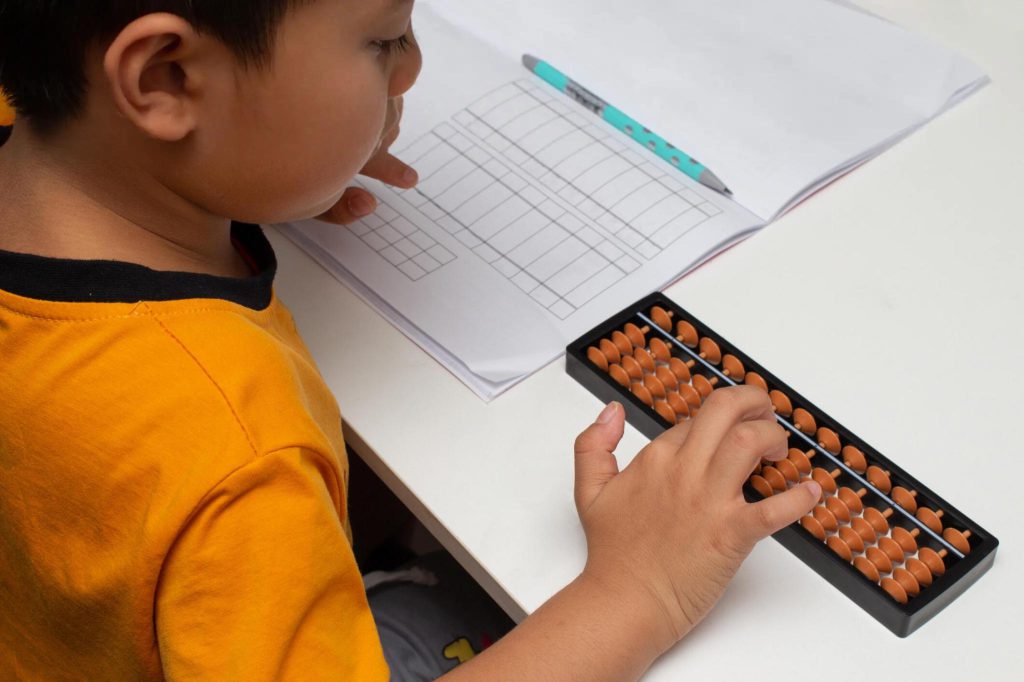
Most programs begin with the physical abacus, where children learn bead movements to represent numbers. Over time, students mentally visualize the abacus and solve problems entirely in their minds.
This method encourages both sides of the brain to work together:
The left brain handles logic and calculations
The right brain supports imagination and visualization
The result is a child who becomes faster, more accurate, and more confident with numbers.
Understanding the Role of the Abacus
The abacus may look simple, but it is one of the most effective mathematical learning tools ever developed. A strong abacus math school teaches students through progressive stages:
Physical abacus usage
Finger movement coordination
Visualization techniques
Mental calculation mastery
Over time, children begin solving large calculations mentally at impressive speeds.
This is why many parents now consider abacus for schools an important supplement to traditional education. Schools themselves are also beginning to recognize the value of abacus-based learning because it develops:
Faster comprehension
Improved classroom participation
Better concentration
Reduced fear of mathematics
Read more on why Traditional tutoring may not be the best choice for your child
Why Mental Math Is More Than Just Faster Calculations
One common misconception is that these programs only improve arithmetic speed. In reality, quality mental math classes support broader cognitive development.
Improved Concentration
Children today face endless distractions from screens, games, and digital content. Abacus training requires sustained attention and visual focus, which helps improve concentration over time.
Better Memory Retention
Students must remember numerical patterns, bead positions, and calculation sequences. This naturally strengthens memory.
Increased Confidence
Many children struggle with math anxiety. As they begin solving calculations independently and accurately, their confidence grows significantly.
Stronger Academic Performance
Children who develop mental calculation skills often demonstrate improved performance in subjects requiring logic and comprehension.
Enhanced Listening Skills
Abacus exercises frequently involve listening carefully to number sequences and instructions, improving auditory processing.
How to Identify the Right Mental Math Program
Not all abacus classes online or local learning centers deliver the same quality of instruction. Here are the most important factors parents should evaluate before enrolling their child.
1. Structured Curriculum
A quality abacus math school should have a clearly defined curriculum with progressive levels.
Look for programs that:
Begin with foundational learning
Gradually introduce complexity
Include regular assessments
Offer measurable progress tracking
Children learn best when concepts build naturally over time.
2. Experienced Instructors
The effectiveness of any program depends heavily on the instructor.
Great teachers know how to:
Keep children engaged
Build confidence
Encourage participation
Adapt to different learning speeds
Whether you choose in-person classes or an abacus online tutor, instructor quality matters enormously.
3. Child-Friendly Teaching Methods
Children learn differently from adults. The best programs incorporate:
Interactive exercises
Visual learning techniques
Positive reinforcement
Fun competitions
Gamified activities
The goal is to make learning enjoyable rather than stressful.
4. Flexibility for Modern Families
Today’s families often juggle packed schedules. That’s why many parents now prefer online abacus classes for kids.
Online learning offers:
Convenience
Flexible scheduling
Learning from home
Reduced commuting time
Access to quality instructors regardless of location
High-quality abacus lessons online can be just as effective as classroom learning when designed properly.
5. Small Class Sizes
Smaller groups usually provide:
Better interaction
Personalized attention
Faster correction of mistakes
Improved engagement
Whether offline or online, children benefit from environments where instructors can closely monitor progress.
Online vs In-Person Abacus Classes
One of the biggest decisions parents face is whether to choose traditional classroom learning or abacus classes online.
Both formats have advantages.
In-Person Abacus Classes | Online Abacus Classes |
Face-to-face interaction with instructors | Greater flexibility for busy families |
Peer motivation and classroom energy | Comfort of learning from home |
Structured classroom discipline | Easier scheduling options |
Social learning opportunities with other students | Access to experienced instructors regardless of location |
Ideal for children who thrive in physical learning environments | Reduced travel time and commuting stress |
Encourages direct participation and group activities | Parents can observe sessions more closely |
Hands-on classroom engagement | Interactive digital learning experiences |
Fixed learning environment with fewer home distractions | Convenient access from anywhere |
The key is choosing a program that maintains engagement and interaction even in a virtual setting.
Searching for Math Classes Near Me? UCMAS Might Be Your Answer
When parents begin searching for reliable mental math classes or abacus classes, they’re usually looking for more than just better grades. They want a program that helps their child improve focus, confidence, learning ability, and overall cognitive development.
That’s why many families turn to UCMAS, a globally recognized program that combines abacus-based learning with structured mental development techniques for children.
UCMAS stands out for its:
Proven teaching methodology
Experienced and trained instructors
Step-by-step structured curriculum
Child-focused learning environment
International credibility in abacus education
Designed for children during key developmental years, the program helps students:
Strengthen concentration
Improve memory retention
Increase calculation speed and accuracy
Build confidence in academics and everyday problem-solving
Whether parents are looking for local learning centers or flexible abacus classes online, UCMAS offers programs that adapt to modern family schedules while maintaining a highly engaging learning experience.
For families searching for the best afterschool programs, UCMAS provides more than math training; it offers a strong foundation for lifelong learning and cognitive growth.
Give your child the advantage of stronger concentration, memory, and mental math skills with UCMAS. Enroll today and start their learning journey.
FAQs
Start by looking for programs with experienced instructors, structured curriculum levels, positive parent reviews, and flexible learning options. The best mental math programs focus not only on calculation speed but also on concentration, confidence, and cognitive development. Parents should also check whether the program offers both in-person and online learning formats.
Parents should look for:
- Qualified and experienced instructors
- Small class sizes
- Structured learning progression
- Interactive teaching methods
- Regular progress assessments
- Child-friendly learning environments
A strong abacus math school should help children stay engaged while building long-term cognitive skills.
Both formats offer unique advantages. In-person classes provide face-to-face interaction and classroom discipline, while online abacus classes for kids offer greater flexibility, convenience, and access to experienced instructors from anywhere. The best choice depends on the child’s learning style and the family’s schedule.
Most children benefit from mental math training between the ages of 4 and 13, as these are important developmental years for brain growth and learning ability. Starting early can help strengthen concentration, memory, and analytical thinking skills more effectively.
Most programs recommend attending classes one to two times per week, along with regular practice at home. Consistency is important because mental math skills improve gradually through repetition and structured learning.
Parents often notice improvements in:
- Concentration and focus
- Calculation speed and accuracy
- Memory retention
- Confidence in academics
- Listening and observation skills
Many children also become more comfortable with mathematics and classroom participation over time.
The cost of mental math classes varies depending on the program format, class frequency, and location. Online programs may offer more flexible pricing, while in-person learning centers can vary based on regional demand and curriculum levels. Parents should evaluate the quality of instruction and long-term developmental benefits alongside pricing.
UCMAS is trusted by parents for its proven abacus-based mental math methodology and child-focused learning approach. The program is designed to help children improve concentration, memory, confidence, and calculation skills through structured cognitive development techniques. With flexible learning options and a globally recognized system, UCMAS continues to be a popular choice for families seeking meaningful afterschool education programs.