

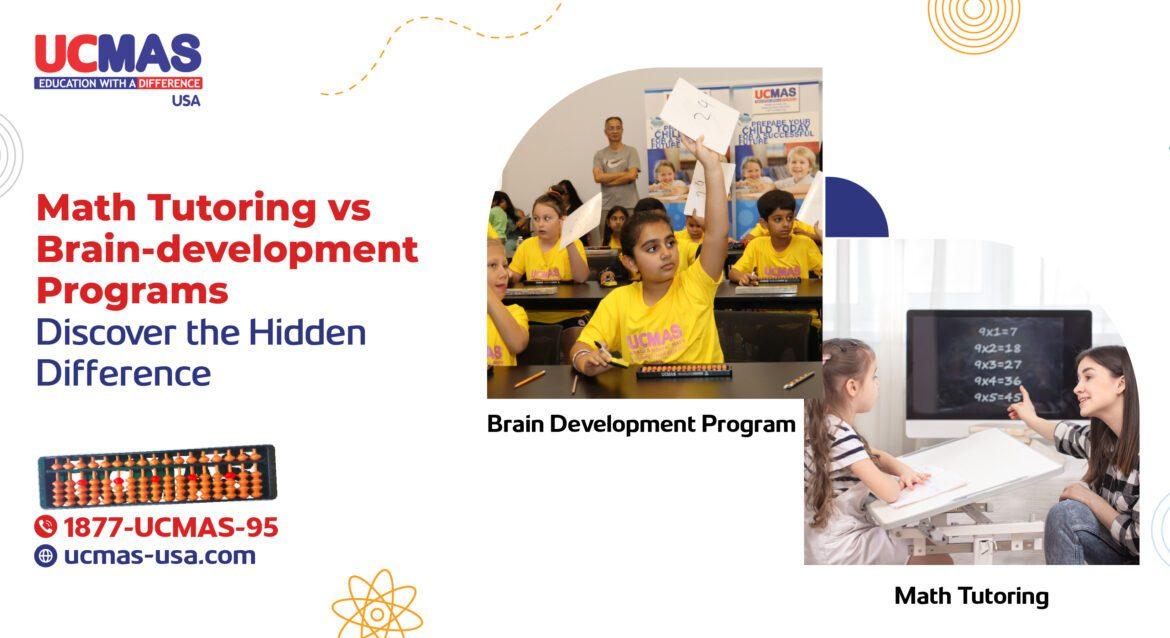
Walk into any playground and you’ll notice something fascinating: children aren’t just playing; they’re problem-solving, negotiating, imagining, and building entire worlds out of sand and sticks. This isn’t just play; it’s brain development in action.
Research confirms that the early years are the most crucial for shaping a child’s brain. In fact, according to Harvard’s Center on the Developing Child, more than 1 million new neural connections form every second in the first few years of life – every story, every puzzle, every game wires the brain in ways that last a lifetime.
But here’s the challenge: with so many options from coding camps to online math apps to traditional tutoring, how do you choose the right brain development program for your child? And how do you know whether an abacus math program or a mental math class is just another trend… or truly a transformative brain development program?
Let’s break it down in a way that makes sense for busy parents like you.

What Makes a Brain Development Program Different?
When you hear “brain development program,” it may sound like a fancy buzzword. But here’s the difference: a tutoring class typically fills knowledge gaps (like helping a child practice multiplication tables), while a true brain development program strengthens the core skills that make learning possible in terms of memory, concentration, problem-solving, and creativity.
Think of it like this: tutoring is patching a leak in the roof, while brain development builds the foundation of the entire house. One fixes today’s problem, the other ensures the structure stays strong for years. Programs like the abacus mental math are one such brain development program that goes beyond basic calculations and trains children to visualize numbers, strengthening both the left and right hemispheres of the brain.
When used consistently, it enhances focus, logic, and imagination in children. But before you enrol your child, here are some key questions to ask about an abacus class.
Why Abacus Math Has Stood the Test of Time as a Brain Development Program
In a world of AI calculators and instant answers from apps, the idea of children learning on a centuries-old tool like the abacus might sound outdated. But here’s the twist: abacus math isn’t about the tool, it’s about the brain training it enables.
When kids practice on an abacus and eventually move to mental visualization, they activate both the logical (left) and creative (right) sides of their brains. When both these areas develop, kids experience improved memory, better focus, and problem-solving skills. This not only helps them with math but also with other non-math subjects.
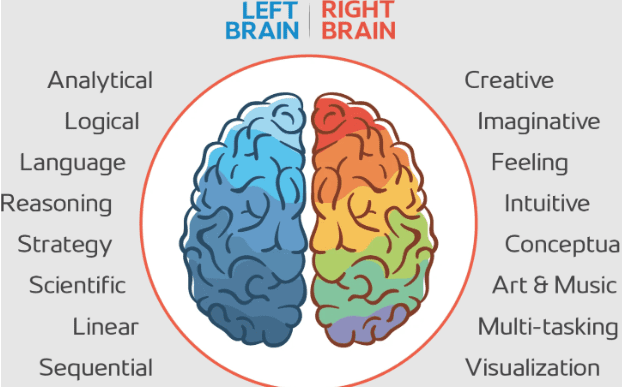
If you’ve ever wondered how this balance works, UCMAS explains it beautifully in their blog on left vs. right brain balance. It’s a fascinating look at how strengthening both sides of the brain can unlock a child’s potential.
So, when you see “abacus math” or “mental math class” in a program’s description, don’t dismiss it as just another way to crunch numbers; it’s actually one of the most powerful ways to grow a child’s learning potential.
Signs of a Strong Brain Development Program
Not all programs that you come across are the same. When evaluating options for a brain development program, keep an eye out for these indicators:
- Whole-brain focus: Look for programs that emphasize creativity, problem-solving, and memory, not just speed or rote learning.
- Structured progression: The best programs start simple but layer on complexity in a way that challenges without overwhelming.
- Engaging methods: Kids learn best when they’re having fun. If the program feels like a burden, it’s not the right fit.
- Proven results: Ask whether the program has measurable outcomes. For instance, UCMAS’s abacus math program has been proven worldwide to improve focus and academic performance.
How These Programs Go Beyond Grades
As parents, we naturally focus on school performance. Will this help my child get better grades? Will it make math class easier? Those are valid questions, but brain development programs deliver something even bigger: life skills. A well-designed program teaches children:
- How to sit with a problem and not give up.
- How to switch from logical reasoning to creative thinking when stuck.
- How to focus deeply in a distracted world.
And perhaps most importantly, it gives them the confidence to believe, “I can figure this out.” As explored in “What Matters Beyond Grades,” it’s often these hidden skills — confidence, resilience, and adaptability — that set children apart later in life.
A Quick Checklist Before You Choose
If you’re standing at the crossroads of afterschool programs, here’s a simple checklist to help you decide:
- Is the program backed by child development research and tested teaching methodologies?
- Does the program focus on brain skills (memory, focus, problem-solving) rather than just academics?
- Has the program earned credibility with parents worldwide, showing consistent results across cultures?
- Are children engaged through fun, tactile methods rather than repetitive drills?
- Is there a clear progression that builds skills over time?
- Do other parents report visible changes in their child’s confidence and learning approach?
If you can tick “yes” on these, you’re on the right track.
Finding the Right Fit for Your Child
UCMAS isn’t just another program; it’s a proven brain development journey that has been shaping young minds since 1993. With a global presence in 80+ countries, backed by 30+ years of experience in the education sector, UCMAS has helped more than 3.5 million children worldwide grow into confident, capable learners.
And the best time to enrol your kid is NOW. Because every day, your child’s brain is growing and building connections that will shape their future. Visit our “About Us” section to learn more about UCMAS and what makes it different from other programs out there.
If you feel convinced, find a center near you to visit us, or simply sign up for an info session for any queries you may have.