

For generations, success in education was measured by a simple formula: good grades, strong test scores, and admission into a reputable college. Parents largely relied on schools to provide the knowledge and skills children needed to succeed.
Today, that definition of success has changed dramatically.
Modern parents are no longer looking for education that simply helps their children excel academically. They want learning experiences that build confidence, improve critical thinking, strengthen communication, develop creativity, and prepare children for careers that may not even exist yet.
At the same time, rapid technological advancements, changing workplace demands, and increased awareness of child development have transformed how families approach education. Rather than viewing learning as something that happens only inside a classroom, parents now see it as a continuous journey that extends far beyond school hours.
This shift in expectations is reshaping the education industry. Schools, tutoring centers, enrichment programs, STEM academies, coding schools, mental math institutes, and other education businesses are evolving to meet these changing demands. Those that understand what today’s parents truly value are finding themselves at the forefront of one of the fastest-growing sectors in education.
How Parenting Has Changed Over the Last Decade
The education industry has not changed in isolation; it has evolved alongside changing parenting philosophies.
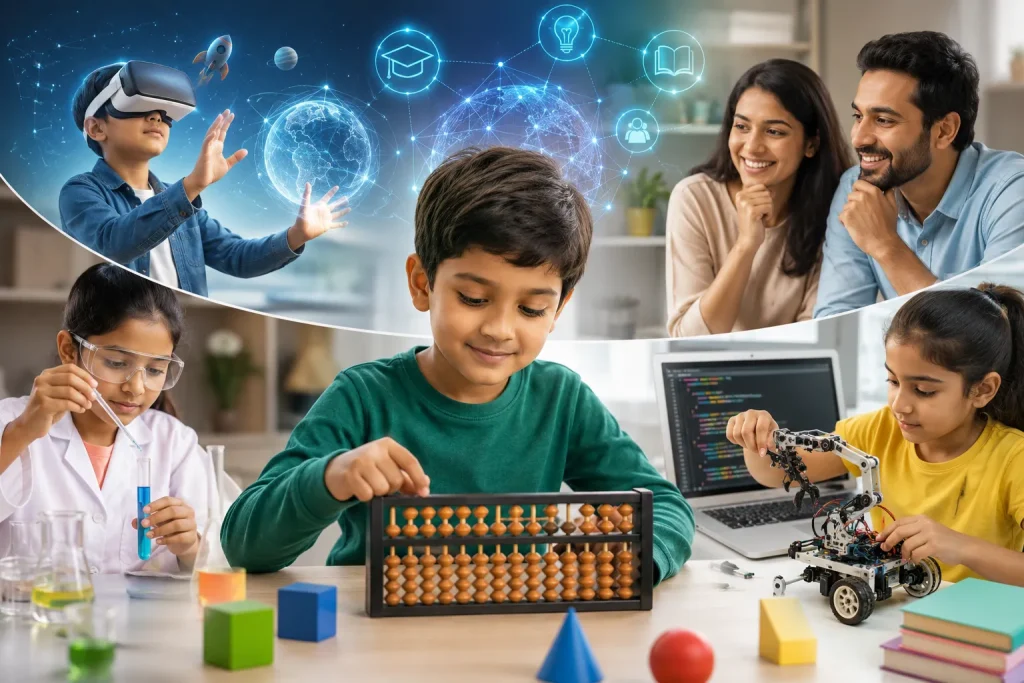
Today’s parents are more informed than ever before. With unlimited access to research, educational resources, expert opinions, and global learning trends, they actively evaluate what contributes to their child’s long-term success.
Unlike previous generations, parents are increasingly involved in decisions about how, where, and what their children learn. They are also more aware that the future workplace will demand far more than academic knowledge. Automation, artificial intelligence, and rapidly changing industries have highlighted the importance of adaptability, creativity, collaboration, and problem-solving.
This has shifted the conversation from “How can my child score better?” to “How can my child thrive in the future?”
As expectations evolve, education providers are being challenged to deliver learning experiences that prepare children not only for exams but also for life.
From Good Grades to Future-Ready Skills
Academic excellence continues to be important, but it is no longer the only measure of educational success.
Parents now understand that a report card offers only a snapshot of a child’s development. They are increasingly interested in the broader skills that help children succeed throughout their lives.
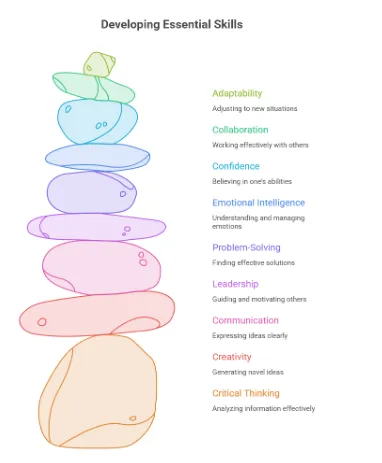
These abilities are becoming just as valuable as mathematics, science, or language proficiency because they prepare children to navigate an unpredictable future.
As a result, families are actively seeking educational programs that develop the whole child rather than focusing solely on academic performance.
Why Traditional Schooling Alone Is No Longer Enough
Schools continue to play an essential role in every child’s education. However, parents recognize that even the best schools operate within certain limitations.
Teachers often manage large classrooms, follow standardized curricula, and work within fixed academic schedules. While these systems provide structure and consistency, they may not always accommodate different learning styles or provide individualized attention.
Children learn differently. Some require additional challenges, while others benefit from more personalized guidance or opportunities to explore subjects beyond the classroom.
This is where supplementary education has found its place.
Rather than replacing formal schooling, education businesses are increasingly complementing it by offering specialized programs that focus on individual strengths, targeted skill development, and hands-on learning experiences.
The Rise of Skill-Based Learning
One of the clearest outcomes of changing parent expectations is the growing popularity of skill-based education.
Parents are no longer enrolling their children in after-school programs only when they struggle academically. Instead, they are proactively seeking opportunities that help children develop practical and cognitive skills from an early age.
This has contributed to the rapid growth of programs in areas such as:
- STEM education
- Coding
- Robotics
- Mental Math
- Public Speaking
- Entrepreneurship
- Foreign Languages
- Creative Arts
These programs provide experiences that traditional classrooms often have limited time to deliver.
More importantly, they help children apply knowledge, solve problems independently, and develop confidence through active participation rather than passive memorization.
Personalized Learning Is Becoming the New Standard
Another major shift is the growing demand for personalized education. Parents increasingly recognize that every child learns differently. A standardized approach may work for some students but leave others either overwhelmed or under-challenged.
Consequently, education businesses are placing greater emphasis on individualized learning experiences. Parents now expect:
- Smaller class sizes
- Customized learning plans
- Individual progress tracking
- Regular parent updates
- Flexible learning pace
- Continuous assessment
This level of personalization not only improves learning outcomes but also builds stronger relationships between educators and families. Parents appreciate knowing exactly how their child is progressing and what areas require additional support.
Brain Development Has Become a Priority
Perhaps one of the most significant changes in recent years is the growing emphasis on cognitive development.
Parents today understand that learning extends beyond acquiring knowledge—it also involves strengthening the brain’s ability to process, retain, and apply information effectively.
As a result, programs that improve memory, concentration, visualization, logical reasoning, processing speed, and numerical ability have gained considerable popularity.
Rather than focusing solely on subject-specific learning, many parents now seek programs that develop these foundational cognitive skills because they positively influence performance across multiple academic disciplines.
This growing awareness has significantly contributed to the success of brain development and mental enrichment programs worldwide.
Education Is Becoming a Long-Term Investment
Parents increasingly view education as an investment rather than an expense.
Instead of waiting until academic difficulties arise, families are introducing structured learning experiences much earlier in a child’s educational journey.
Children today participate in:
- Summer enrichment camps
- Weekend learning programs
- Holiday workshops
- Year-round skill development classes
- Early childhood learning programs
This reflects a preventive approach rather than a corrective one.
Parents believe that consistently building strong learning habits and cognitive abilities throughout childhood creates lasting academic and personal benefits.
Technology Has Changed Parent Expectations
Technology has transformed not only how children learn but also what parents expect from education providers. Today’s families value transparency, convenience, and continuous communication. Modern education businesses are increasingly expected to provide:
- Digital progress reports
- Parent communication portals
- Online learning support
- Hybrid classroom options
- Interactive learning platforms
- AI-assisted learning tools
- Performance dashboards
Parents want to remain actively involved in their child’s educational journey, and technology makes that possible. Businesses that successfully integrate digital tools with quality instruction are often better positioned to earn long-term trust.
What This Means for Education Businesses
These changing expectations have fundamentally altered the education landscape. Parents are no longer looking for businesses that simply help children prepare for examinations. They want learning partners that contribute to their child’s intellectual, emotional, and cognitive growth.
To remain competitive, education businesses are investing in:
- Personalized instruction
- Skill-based curriculum
- Technology-enabled learning
- Continuous parent communication
- Measurable student outcomes
- Holistic development programs
Organizations that focus solely on academic tutoring may struggle to meet these evolving expectations. Those that embrace comprehensive child development are far more likely to build lasting relationships with families.
The Future of Education Businesses
The Future of Education Businesses
The education industry is entering a new era, driven by parents who expect learning to go beyond textbooks and exam scores. As these expectations continue to evolve, education businesses must adapt by offering more personalized, skill-focused, and future-ready learning experiences. Some of the key trends shaping the future include:
- AI-supported personalized learning: Using artificial intelligence to create customized learning paths, monitor progress, and address individual learning needs.
- Early childhood cognitive development: Growing demand for programs that strengthen memory, concentration, logical reasoning, and problem-solving from a young age.
- Hybrid learning models: Combining the flexibility of online learning with the engagement and collaboration of in-person classes.
- Brain-training programs: Increased interest in programs that enhance focus, visualization, processing speed, and overall cognitive abilities.
- Experiential learning: Hands-on activities, real-world projects, and interactive learning experiences that encourage creativity and critical thinking.
- Lifelong skill development: Greater emphasis on transferable skills such as communication, collaboration, adaptability, and leadership alongside academic learning.
- Stronger parent-educator collaboration: Regular progress updates, transparent communication, and active parent involvement in a child’s learning journey.
As these trends gain momentum, education businesses will be evaluated not only by academic outcomes but also by the overall impact they have on a child’s confidence, cognitive growth, and future readiness. Those that embrace innovation while keeping children’s holistic development at the heart of their programs will be best positioned for long-term success.
Preparing Children for Success Beyond the Classroom
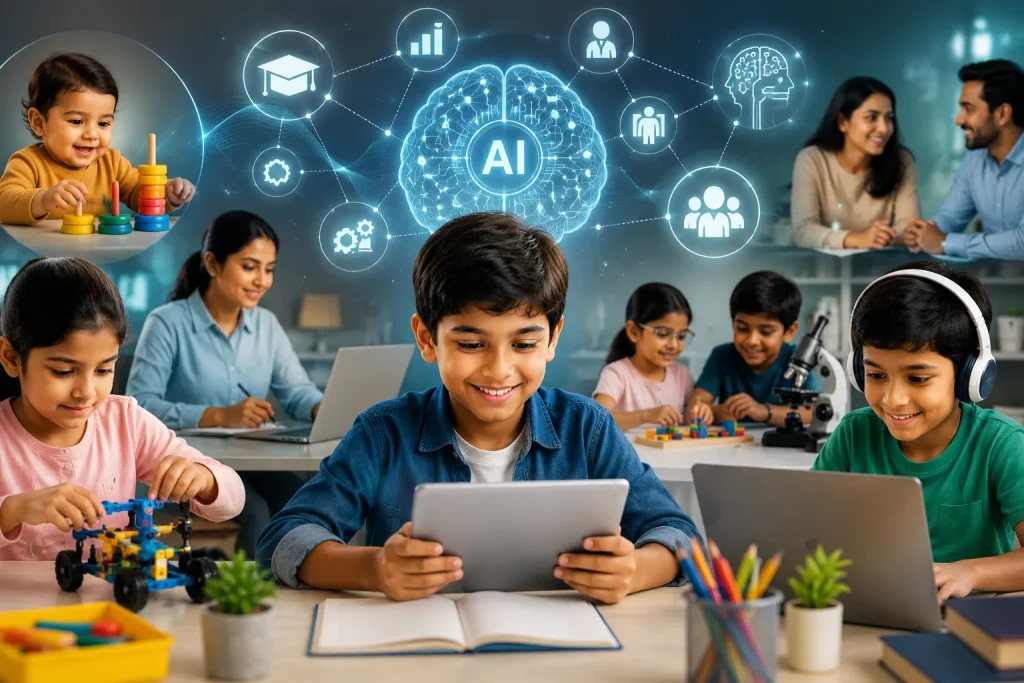
Parent expectations have undergone a remarkable transformation over the past decade. Academic achievement remains important, but it is now viewed as just one component of a child’s overall development. Families are placing greater emphasis on confidence, creativity, critical thinking, cognitive abilities, and future-ready skills, qualities that help children succeed both inside and outside the classroom.
This evolution has created significant opportunities for education businesses willing to move beyond traditional tutoring models. Programs that combine personalized learning, measurable progress, and holistic development are increasingly becoming the preferred choice for parents seeking meaningful educational experiences.
Among these, mental math and cognitive development programs have gained particular attention for their ability to strengthen concentration, memory, logical reasoning, and problem-solving from an early age. UCMAS is one such program that aligns closely with today’s changing parent expectations. Through its scientifically designed abacus-based mental math curriculum, it goes beyond improving numerical skills to nurture confidence, focus, independent thinking, and lifelong learning abilities, qualities that modern parents consider essential for preparing children for an ever-changing future.
Prepare your child for success beyond the classroom with UCMAS. Find your nearest center and start building future-ready skills today.
FAQs
Parents want more than better grades. Enrichment programs develop critical thinking, confidence, creativity, memory, and problem-solving skills that support long-term success.
Parents expect personalized learning, cognitive development, future-ready skills, measurable progress, and holistic growth—not just academic improvement.
Education businesses offer skill-based learning, brain development, STEM, coding, and personalized programs that go beyond exam preparation, making them more relevant to modern families.
Mental math and abacus, STEM, coding, robotics, early childhood education, and personalized tutoring franchises are among the fastest-growing education sectors in the USA.
Yes. Parents are increasingly choosing STEM and brain development programs because they enhance logical thinking, creativity, concentration, and problem-solving skills.
The best programs focus on overall child development, including mental math, STEM, coding, robotics, language learning, public speaking, sports, and creative arts.
Parents value skills like critical thinking, communication, creativity, and adaptability because they prepare children for future academic and career success.
UCMAS combines abacus-based mental math with brain development to improve memory, concentration, confidence, and problem-solving, helping children build skills that go beyond academics.