

The weeks before a new school year are filled with excitement, anticipation, and, for many families, a little anxiety. Parents are busy shopping for school supplies, setting up routines, and preparing children for another academic year. Yet one important aspect often gets overlooked: helping children realign their focus before they step into the classroom.
In a vibrant city like Orlando, where entertainment, sports, theme parks, and year-round activities constantly compete for children’s attention, building concentration skills can be challenging. While distractions are everywhere, the good news is that focus is a skill that can be developed with the right habits and consistent practice.
Whether your child is entering kindergarten or preparing for middle school, developing stronger attention skills before school begins can make learning easier, homework less stressful, and classroom participation more enjoyable.
Why Focus Matters More Than Ever
Today’s children process more information than any previous generation. Between smartphones, tablets, streaming platforms, social media, and video games, their brains are constantly switching from one source of stimulation to another. Unfortunately, this makes sustained attention more difficult.
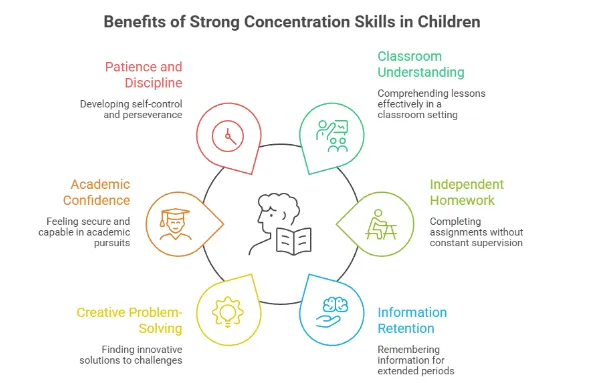
Improving focus isn’t about forcing children to sit still for hours. It’s about training the brain to stay engaged with one task at a time.
Why Parents Should Start Before School Begins
The transition from summer freedom to structured school days can be difficult. During summer vacations, bedtime routines shift, screen time increases, and daily schedules become less predictable.
Starting focus-building activities two to four weeks before school begins helps children adjust gradually rather than face a sudden change on the first day.
Creating new habits before school starts often leads to smoother mornings and improved classroom performance throughout the year.
1. Rebuild a Consistent Daily Routine
Children thrive on routine because it reduces mental fatigue. When they know what comes next, their brains spend less energy adjusting and more energy learning.
A simple daily schedule should include:
- Fixed wake-up times
- Regular meal timings
- Outdoor play
- Reading time
- Learning activities
- Family interaction
- Consistent bedtime
Start shifting bedtime 15–20 minutes earlier every few days until it matches the school schedule. Quality sleep directly affects memory, emotional regulation, and attention span.
2. Limit Digital Distractions
Digital devices are one of the biggest obstacles to sustained concentration.
Research consistently shows that frequent interruptions reduce children’s ability to stay focused on a single task.
Instead of banning screens completely, establish healthy boundaries such as:
- No devices during meals
- Screen-free mornings
- Educational screen time before entertainment
- No screens one hour before bedtime
Replace passive entertainment with activities that require active thinking, such as puzzles, board games, reading, or building projects. Children gradually learn to enjoy slower-paced activities that naturally strengthen attention.
3. Encourage Reading Every Day
Reading is one of the simplest and most effective ways to improve concentration skills.
Unlike videos that constantly change scenes, books require children to imagine characters, follow storylines, and maintain attention for longer periods.
Begin with just 15–20 minutes daily.
Parents can make reading more engaging by:
- Taking turns reading aloud
- Asking questions about the story
- Discussing favorite characters
- Visiting local libraries regularly
These conversations improve comprehension while extending attention spans.
4. Introduce Brain Training Activities
The brain becomes stronger through regular mental exercise. Simple activities can significantly improve memory, reasoning, and concentration.
Try these fun activities that add a fun element to brain training.
- Sudoku for kids
- Crossword puzzles
- Memory card games
- Chess
- Rubik’s Cube
- Pattern recognition games
- Logic puzzles
Even spending 20 minutes a day on these activities helps children practice sustained attention while having fun.
5. Practice Mindfulness
Mindfulness isn’t just for adults. Children can benefit tremendously from simple breathing exercises and relaxation techniques.
Try activities like:
- Deep breathing for two minutes
- Guided visualization
- Quiet observation of nature
- Stretching exercises
- Listening carefully to surrounding sounds
These activities teach children how to calm their minds before studying or completing homework.
Many teachers now incorporate mindfulness into classrooms because of its positive impact on attention and emotional regulation.

6. Encourage Outdoor Play
Physical activity improves blood circulation to the brain, increases energy, and enhances cognitive function.
Fortunately, Orlando offers countless opportunities for active play. Children can enjoy:
- Community playgrounds
- Bicycle rides
- Nature trails
- Sports programs
- Swimming
- Family walks
Outdoor activities reduce stress while improving the brain’s ability to focus later during academic tasks.
7. Create a Dedicated Learning Space
The environment plays a major role in concentration. A quiet, organized study area helps children associate that space with learning.
The ideal study space should include:
- Good lighting
- Comfortable seating
- Minimal clutter
- Necessary school supplies
- Limited distractions
Avoid televisions or noisy environments whenever possible. Even a small corner designated for studying can significantly improve consistency.
8. Break Tasks Into Small Goals
Children often lose focus because tasks feel overwhelming. Instead of asking them to study for an hour, divide activities into manageable segments.
For example:
- Read for 15 minutes
- Complete five math problems
- Take a short break
- Continue with the next activity
Short, achievable goals create momentum while preventing mental exhaustion. Children stay motivated because they experience frequent success.
9. Encourage Creative Activities
Creative hobbies naturally strengthen concentration skills because they require patience and sustained effort.
Excellent options include:
- Drawing
- Painting
- Music lessons
- Dance
- Craft projects
- LEGO building
- Model construction
These activities improve fine motor skills while teaching children how to stay engaged with one project until completion.
10. Make Learning Fun Through Abacus Training
One increasingly popular way to improve children’s concentration skills is abacus training. Unlike traditional memorization techniques, abacus learning combines visualization, finger movement, mental calculation, and imagination. As children advance, they begin solving complex arithmetic mentally using visualization techniques.
This process develops:
- Focus
- Memory
- Speed
- Accuracy
- Listening skills
- Confidence
Because multiple parts of the brain work together during abacus practice, children often develop stronger concentration that benefits every academic subject, not just mathematics.
Parents looking for structured cognitive development programs often find abacus classes particularly valuable before a new school year.
Nutrition Also Plays a Role
Healthy eating directly affects brain performance. Balanced meals containing protein, fruits, vegetables, healthy fats, and whole grains provide steady energy throughout the day.
Brain-friendly foods include:
- Eggs
- Nuts
- Yogurt
- Berries
- Fish
- Leafy vegetables
- Oatmeal
Hydration is equally important. Even mild dehydration can reduce attention and memory. Encourage children to drink water regularly, especially during Orlando’s warm weather.
How Parents Can Model Focus
Children imitate adults more than they follow instructions. Parents who constantly check phones during conversations unintentionally teach divided attention.
Instead:
- Listen actively
- Read books together
- Complete puzzles as a family
- Limit phone use during family time
- Celebrate effort instead of perfection
When children see focused behavior consistently, they naturally begin adopting similar habits.

Signs Your Child's Focus Is Improving
Improving focus is a gradual process, and the changes may not be obvious overnight. Instead of expecting dramatic results, look for small but meaningful improvements in your child’s daily habits. These milestones indicate that their ability to concentrate is getting stronger. Some encouraging signs include:
Completing homework with fewer reminders
If your child is beginning to finish assignments without constant prompting, it’s a strong indication that they can stay engaged with a task for longer periods.
Reading for longer periods
Whether it’s a storybook, a chapter book, or educational material, spending more time reading without losing interest reflects improved attention and comprehension.
Following multi-step instructions
Children with better focus are more likely to remember and complete instructions such as, “Put your shoes away, wash your hands, and then set the table,” without needing repeated reminders.
Asking thoughtful questions
When children are truly paying attention, they become more curious. They begin asking questions that show they are processing information rather than simply hearing it.
Showing patience during learning activities
Whether solving a puzzle, practicing math, or working on a craft project, children with stronger concentration are less likely to give up at the first sign of difficulty.
Becoming less distracted by surrounding noise
A child who can continue reading or working despite everyday household sounds is developing the ability to filter out distractions and maintain focus.
Remember, every child progresses at their own pace. Celebrate these small victories instead of expecting perfection from the start. Positive encouragement helps children stay motivated and builds the confidence they need to keep improving. Over time, these seemingly small changes can lead to better academic performance, stronger problem-solving skills, and a more positive attitude toward learning.
Helping Your Child Build Focus for Long-Term Success
Improving your child’s focus isn’t about expecting perfect grades or instant results. It’s about nurturing lifelong skills that help them learn more effectively, think independently, and approach challenges with confidence. By establishing healthy routines, encouraging reading, limiting distractions, promoting physical activity, and engaging children in brain-stimulating activities, parents can lay a strong foundation for academic and personal success.
For families looking to take cognitive development a step further, structured learning programs like UCMAS offer a proven way to strengthen focus, memory, visualization, and mental agility. Unlike traditional math programs, abacus training encourages children to perform calculations by visualizing the abacus mentally, engaging multiple areas of the brain at once. This continuous mental exercise enhances concentration, sharpens listening skills, improves information retention, and develops the ability to stay focused on tasks for longer periods.
The benefits extend far beyond mathematics. Children who undergo consistent abacus training often demonstrate greater confidence in the classroom, improved problem-solving abilities, and stronger attention spans across all subjects. These are skills that continue to support them throughout their academic journey and well into adulthood.
As the new school year approaches, there’s no better time to invest in habits and learning experiences that promote long-term cognitive growth. With the right guidance and enrichment through programs like UCMAS, your child can enter the classroom with sharper focus, greater confidence, and the mental skills needed to thrive, not just this school year, but for years to come.
FAQs
Start by re-establishing a consistent daily routine a few weeks before school begins. Set regular bedtimes, limit screen time, encourage daily reading, and include activities that strengthen concentration skills. Following these back-to-school tips can help improve your child’s focus in Orlando and make the transition into the new academic year much smoother.
Healthy sleep habits, physical activity, balanced nutrition, reduced digital distractions, and brain-training activities all contribute to concentration improvement for kids. Structured learning programs, puzzles, reading, and memory games can also help children build stronger attention spans before school begins.
Yes. Orlando offers several brain development and enrichment programs designed to strengthen children’s cognitive abilities. If you’re looking for focus classes for children, programs like UCMAS abacus for kids in Orlando are popular choices because they help develop concentration, memory, visualization, and problem-solving skills in a fun and engaging way.
Mental math encourages children to visualize numbers, process information quickly, and stay focused while solving problems. Programs such as UCMAS Abacus train children to perform calculations mentally, strengthening concentration, memory, and overall cognitive performance. These enhanced concentration skills often benefit learning across all academic subjects.
A structured daily routine is one of the best ways to support learning. Consistent sleep schedules, designated homework time, regular reading, outdoor play, nutritious meals, and limited screen time help children stay focused and develop better study habits. Including activities that promote concentration improvement for kids can further enhance academic readiness.
Yes. Enrichment programs before the school year can help children sharpen their cognitive skills, rebuild learning routines, and boost confidence. Activities like music, coding, reading clubs, and focus classes for children, including UCMAS Abacus, prepare children to return to the classroom with stronger attention and problem-solving abilities.
The best after-school program depends on your child’s interests and learning goals. If you’re looking for a program that develops academic skills alongside cognitive growth, UCMAS Abacus for kids in Orlando is an excellent choice. It focuses on improving concentration, memory, creativity, and mental math skills while making learning enjoyable.
UCMAS uses scientifically designed abacus and mental math training to strengthen children’s focus, memory, visualization, and analytical thinking. Through regular practice, children learn to concentrate for longer periods, improve their listening skills, and solve problems more efficiently. For parents looking to improve their child’s focus in Orlando, UCMAS offers one of the most effective programs for developing lifelong concentration skills while building confidence and academic success.