

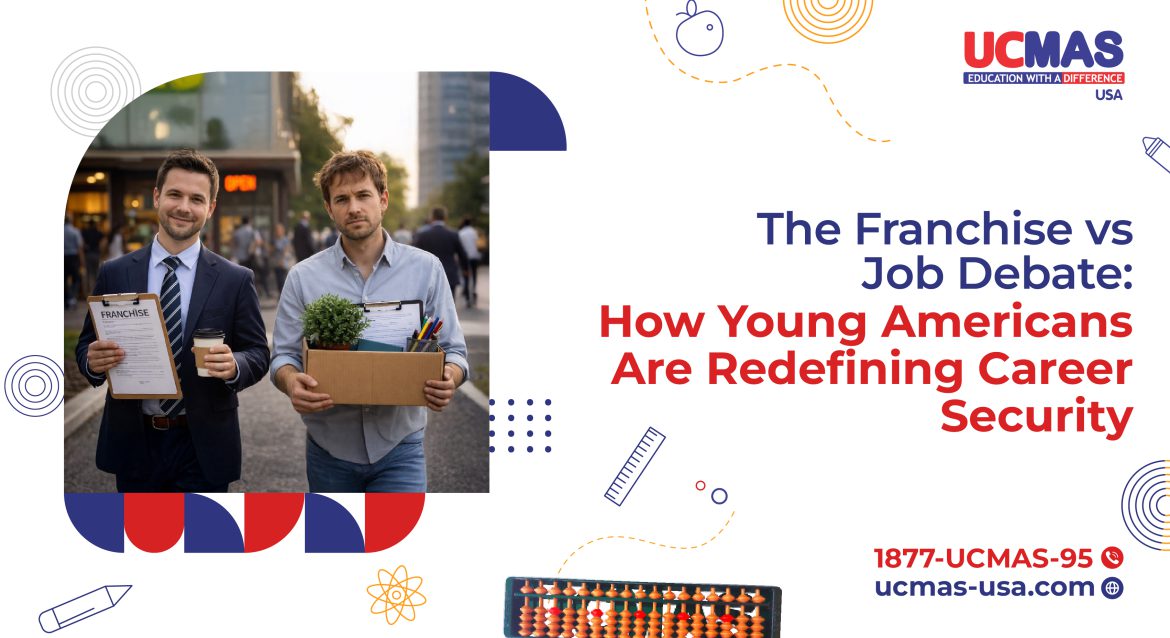
Success has always meant one thing for many years: a high-paying job, a corner office, and a steady climb up the corporate ladder. But that trend is now shifting rapidly. Our Gen Z counterparts are not exactly lining up for the old script.
Instead of chasing job titles and burnout, this generation is quietly rewriting the rules. They’re walking away from the “secure” 9-to-5 dream and stepping into something more flexible, more purposeful, and surprisingly practical: franchise ownership.
This isn’t rebellion. It’s a strategy. Gen Z isn’t anti-work; they’re anti-limitation. This shift isn’t accidental; it’s rooted in broader changes in how young people view work, autonomy, purpose, and financial stability in a rapidly evolving global economy.
The Gen Z Mindset: Freedom > Fancy Job Titles
Generation Z is the first generation to grow up completely immersed in the digital era. From smartphones to social media, they’ve experienced unprecedented access to information, technology, and connection. This has shaped their approach to work and careers in powerful ways.

Entrepreneurial Over Traditional
According to recent research, a substantial percentage of Gen Z wants to be their own boss rather than work in a traditional 9-to-5 job. A poll revealed that 76% of Gen Zers prefer entrepreneurship over conventional employment, with many confident in their ability to start and run their own businesses, even using modern tools like smartphones.
Another report shows that 77% want to start their own business, signaling a clear shift from traditional definitions of security and success and a growth in GenZ franchise investment.
Multiple factors influence this entrepreneurial mindset:
- Digital fluency: Gen Z is comfortable with technology, e-commerce, online marketing, and remote business models.
- Value alignment: They connect work with purpose — especially work that allows them to create positive social impact.
- Desire for autonomy: Many seek flexible schedules and independence rather than rigid corporate hierarchies.
- Economic uncertainties: Experiences with recessions, automation, and layoffs have shaped a generation that prioritizes control over stability.
Franchise vs Jobs: A Side-by-Side Comparison
Let’s compare franchise ownership directly to traditional employment to understand why GenZ is attracted to this model of business.
Aspect | 9-to-5 Job | Franchise Ownership |
Autonomy | Limited — structured by employer | High — owner controls operations |
Income Type | Fixed salary | Variable income — potential for higher earnings |
Work Schedule | Structured, fixed | Flexible — set your hours |
Risk Level | Low operational risk | Some financial risk (startup costs) |
Growth Potential | Promotions within hierarchy | Scale business across locations |
Purpose & Impact | Varies by job | Directly tied to community impact |
Skill Development | Often limited to a role | Broad business and leadership skills |
For many young people, the 9-to-5 job model feels restrictive. Traditional employment can be rigid, with fixed hours, limited control, and corporate bureaucracy that often stifles creativity and autonomy.
In contrast, franchising presents a middle ground between entrepreneurship and corporate stability:
- You work for yourself, not for a boss.
- You benefit from an established brand, proven systems, and ongoing support.
- You can shape your business around your goals and lifestyle.
- You still get structure — but on your own terms.
This balance makes franchise ownership particularly attractive compared to both traditional jobs and entirely independent startups.
Benefits of Choosing Franchises
Franchises have long been a part of the business ecosystem, but their appeal has grown among younger entrepreneurs for several clear reasons:
1. Proven Business Model
One of the biggest challenges for any new business is uncertainty: Will it succeed? Franchises reduce this risk by providing:
- Established brand recognition.
- Tested operational procedures.
- Marketing strategies and customer acquisition playbooks.
This structure lets first-time entrepreneurs avoid common start-up pitfalls.

2. Training and Support
Most franchises offer comprehensive training in operations, marketing, customer service, and financial management. This support is especially valuable for Gen Zers who may have business ideas but lack deep experience managing one.
3. Lower Risk Than Independent Startups
Compared to launching an entirely new business from scratch, franchises often require lower initial investment and provide a blueprint for success. They also offer purchasing power, group marketing, and collective knowledge, all of which reduce operational risk. This makes the franchise a safe business for GenZ.
4. Scalability and Growth Potential
A successful franchisee can scale their operations by adding locations or expanding services, often without the same barriers faced by independent businesses.
5. Alignment with Modern Values
GenZ is not just financially savvy; they also care about purpose, community impact, and sustainability. Many modern franchise concepts, from eco-friendly stores to wellness studios and experience-based ventures, align with these values, making franchise ownership more meaningful.
Why Educational Franchises Are a Top Choice and Growing Globally
Among all franchise categories, educational franchises have emerged as one of the fastest-growing segments worldwide. From after-school tutoring and STEM labs to brain development programs and skill-based learning centers, the demand for structured supplementary education is expanding across continents.
For ambitious Genz entrepreneurs, this sector doesn’t just promise financial opportunity; it offers long-term relevance, resilience, and real-world impact.
So why is this happening globally?
1. Consistent, Recession-Resilient Demand
Education is not a luxury. It’s a priority.
Across countries, whether in North America, Europe, Asia, or the Middle East, parents consistently invest in their children’s academic and cognitive development. Even during economic downturns, spending on education tends to remain stable compared to discretionary industries like retail or hospitality.
The Private Tutoring Market is estimated to be valued at USD 70.4 billion in 2025 and is projected to reach USD 171.3 billion by 2035, registering a compound annual growth rate (CAGR) of 9.3% over the forecast period. Source: https://www.futuremarketinsights.com/reports/private-tutoring-market
This growth is driven by:
- Increasing academic competition
- Rising parental expectations
- Standardized testing pressures
- Skill gaps in traditional schooling
- The demand for future-ready skills
For entrepreneurs, this creates a rare business advantage: predictable demand.
Unlike trend-based businesses, education is evergreen and recession-resilient. Every year brings a new batch of students. That means sustained customer flow and long-term viability.
2. Strong Repeat Revenue Models
One of the most attractive features of educational franchises is their recurring income structure. Most operate on:
- Monthly tuition plans
- Term-based enrollments
- Subscription-style learning programs
- Long-term skill progression models
This creates a predictable cash flow, which is critical for new entrepreneurs.
Instead of relying on one-time purchases, education franchises build relationships with families that often last months or years. A child may enroll in a program and continue through multiple levels, increasing lifetime customer value.

3. Rising Global Focus on Skill-Based Learning
Traditional education systems worldwide are increasingly criticized for overemphasizing memorization and standardized testing. Parents are actively seeking programs that build:
- Critical thinking
- Problem-solving
- Cognitive development
- Creativity
- Focus and memory
- Confidence
This shift toward skill-based learning has accelerated the growth of after-school programs, brain development centers, coding academies, and enrichment institutes.
Educational franchises that specialize in niche development, such as mental math, robotics, language mastery, or public speaking, are thriving because they complement traditional schooling rather than compete with it.
4. Social Impact Meets Financial Sustainability
Gen Z doesn’t just want to “run a business.” They want to build something meaningful.
Educational franchises uniquely blend profit with purpose. When you operate in education:
- You directly contribute to child development.
- You help improve academic performance.
- You build confidence in young learners.
- You become part of your community’s growth story.
This sense of purpose is powerful.
Unlike purely transactional businesses, education creates an emotional connection. Parents trust you. Children grow because of your program. Communities recognize your contribution.
For a generation that prioritizes impact alongside income, this alignment is deeply appealing.
5. Community-Based Brand Strength
Educational franchises build strong local reputations.
When parents see results such as improved grades, sharper focus, and better performance, word-of-mouth spreads quickly. Unlike heavily competitive markets driven by price wars, education businesses often grow through trust and referrals.
This creates:
- High retention rates
- Organic marketing
- Strong brand loyalty
And brand trust compounds over time.
For young entrepreneurs looking to build long-term credibility rather than short-term trends, this is invaluable.
6. Alignment With Global Parenting Trends
Modern parenting has shifted significantly.
Today’s parents are:
- More involved
- More research-driven
- More future-focused
- More willing to invest in enrichment
They actively seek structured programs that enhance cognitive and personal development beyond the school setting.
This cultural shift is happening worldwide, especially in urban and emerging markets, fueling the rapid growth of educational franchises.
UCMAS as a Franchise: A Case in Point
A standout example of a successful educational franchise and career alternative in the US that appeals to Gen Z entrepreneurs is UCMAS, a global leader in Abacus and mental arithmetic programs.
UCMAS offers brain development and mental arithmetic programs for children, teaching skills like concentration, memory, visualization, and calculation. It has thousands of centers across more than 80 countries and has trained millions of children worldwide.
Why Choose a UCMAS Franchise
Here’s why UCMAS stands out as a franchise opportunity:
- Proven Brand: UCMAS has a strong global presence with a trusted reputation in child development education.
- Low Startup Costs: It requires a relatively modest initial investment and manageable operating expenses.
- No Prior Education Experience Required: Franchisees don’t need prior teaching experience; training and support are provided.
- Flexible Work Options: Owners can run a center full-time or part-time, making it suitable for diverse lifestyles.
- High Demand: There’s strong and growing demand for brain development and tutoring programs, especially among parents who value academic excellence for their children.
- Support Network: From marketing guidance to operational training and curriculum support, UCMAS helps new franchisees succeed.
Owning a UCMAS franchise isn’t just about profits; it’s also about making a positive impact in the community by helping young learners develop fundamental cognitive skills and confidence. This sense of purpose is a major draw for value-driven Gen Z entrepreneurs.
If you’re ready to move beyond the traditional career path and build something that creates both income and impact, the UCMAS network is your next step. Join a global brand that empowers young minds while empowering you as a business owner. Book a one-to-one consultation today!
FAQs
Gen Z prioritizes flexibility, autonomy, and purpose over job titles and fixed salaries. After witnessing layoffs and burnout culture, many prefer careers that offer control and long-term ownership.
No option is risk-free, but franchises offer ownership with a proven system and brand support. Unlike jobs that depend on employers, franchises give entrepreneurs more control over their income and growth.
Ownership offers independence, scalable income, and the chance to build something meaningful. Gen Z values creating assets rather than just earning salaries.
Yes. Education remains a consistent priority for families worldwide, making it a recession-resilient sector with recurring revenue potential.
For many, yes. Franchising provides structured support and lower uncertainty compared to starting from scratch, making it a practical entry into entrepreneurship.