

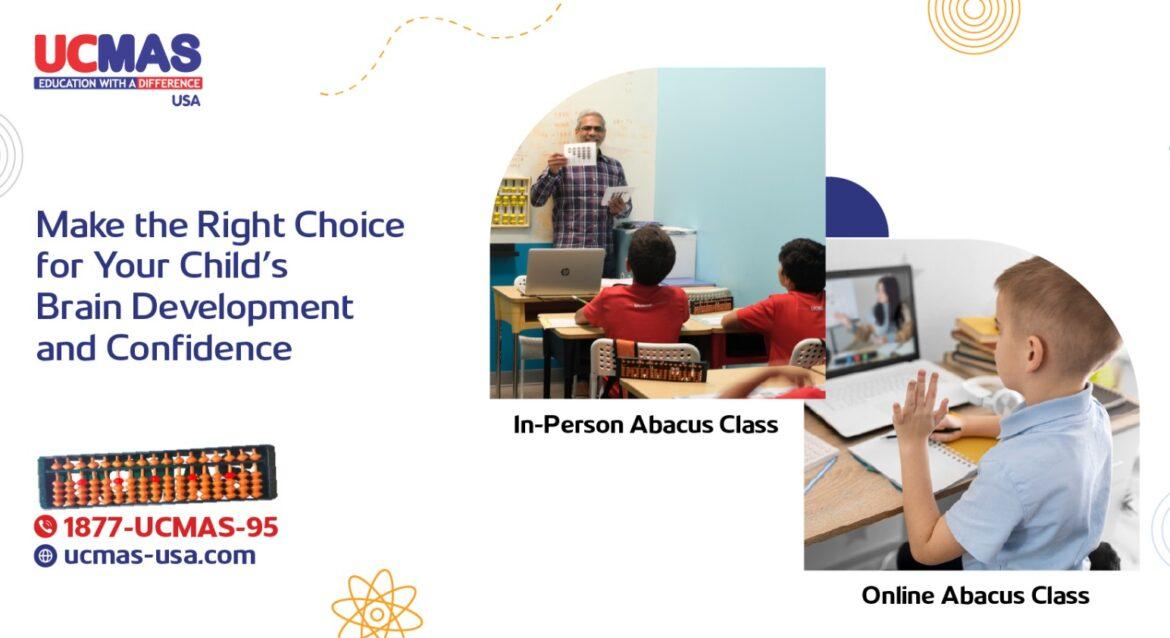
As a parent, you want the best for your child, and that includes setting them up for success with strong math skills and sharp thinking. Abacus learning has become a popular way to build these foundations early, but with both in-person and online abacus classes now available, the big question is: Which one is right for your child?
Let’s dive deep into what sets them apart, so you can make an informed choice that works best for your child’s needs and your family’s lifestyle.
Understanding Abacus Learning
The abacus is more than an ancient counting tool—it’s a proven way to teach kids mental math, improve concentration, memory and visualization. In abacus math, children first learn to move beads on a physical abacus, then transition to visualizing calculations mentally. This process engages both sides of the brain, boosting cognitive skills beyond just numbers.
Studies show that kids who learn the abacus tend to have better memory, focus, and confidence in tackling complex problems. It’s not just math – they build life skills like patience and resilience, too. In fact, giving your child an early abacus class advantage can positively impact their performance across all school subjects.
Curious about how it works? Our Abacus Math Program at UCMAS breaks it down in detail.
In-Person Abacus Classes
How In-Person Abacus Classes Work
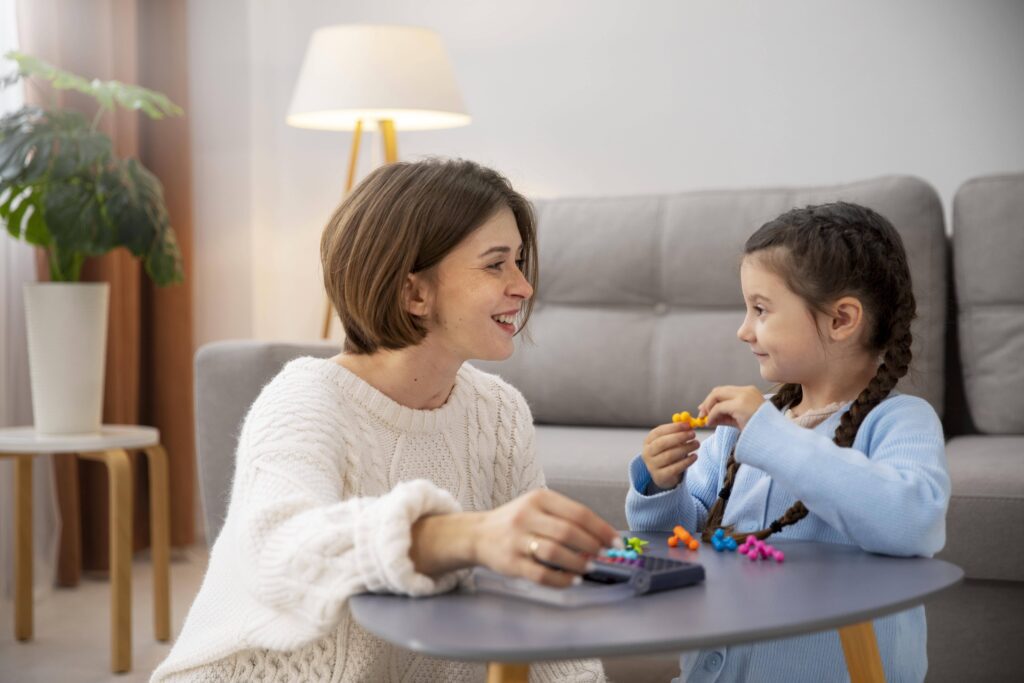
Traditional abacus classes take place in a classroom with an instructor and other students. Kids learn using a physical abacus and receive step-by-step guidance from a certified trainer.
Benefits of In-Person Classes
- Hands-on practice with a physical abacus: Using their fingers to move beads helps younger children develop fine motor skills along with mental calculations.
- Direct supervision and personalized feedback: Teachers can immediately correct mistakes, helping kids understand concepts faster.
- Classroom social interaction: Learning alongside peers builds confidence, healthy competition, and friendships.
Challenges of In-Person Classes
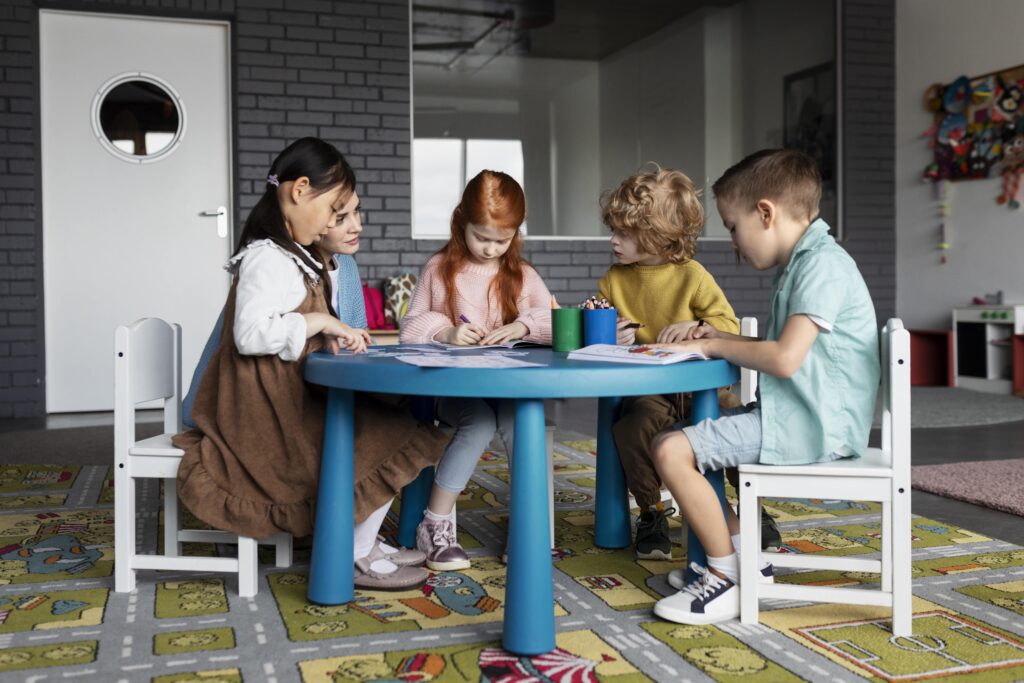
- Limited flexibility with timing/location: Parents must align their schedules with class times and commute to the center, which can be tricky for busy families.
- Commute and scheduling hassles: Traffic, distance, and time constraints often become barriers to consistent attendance.
- Availability in your area: A quick search for abacus classes near me might not always yield convenient options if you live in the outskirts or a smaller community.
Online Abacus Classes
How Online Abacus Classes Work
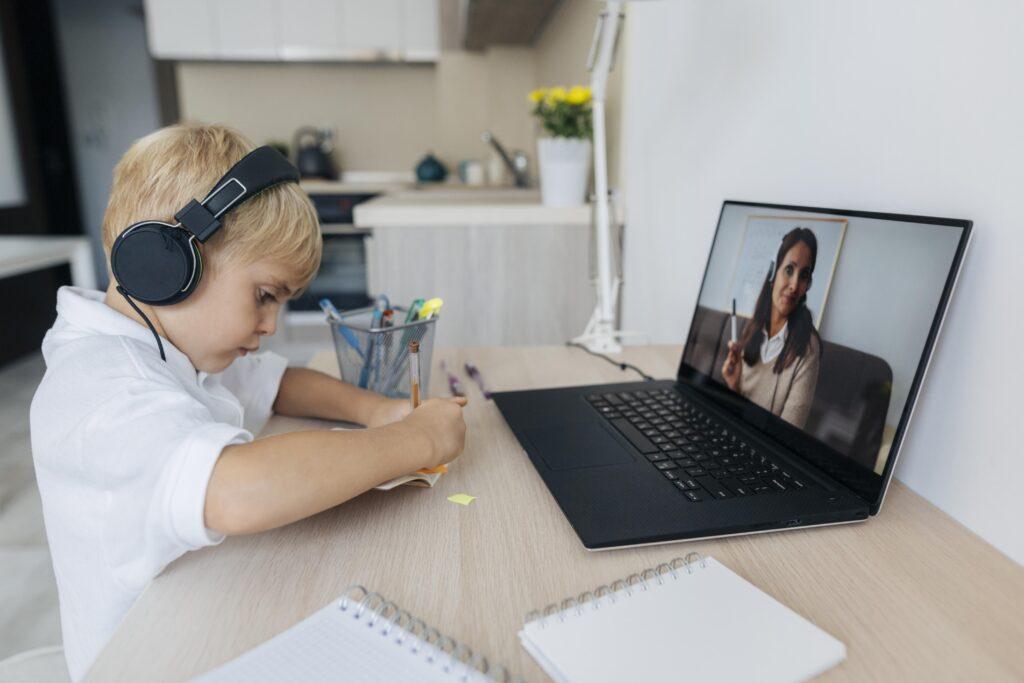
With online abacus classes, children join live or recorded lessons through video conferencing tools. They use a physical abacus at home while following the instructor’s guidance. Programs like UCMAS Online Abacus Classes offer structured curricula explicitly designed for virtual learning.

Benefits of Online Classes
- Flexible scheduling: Many online programs offer different time slots or even recorded sessions, so you can pick what fits your family’s routine.
- Access to experienced trainers anywhere: Living in a city, suburb, or countryside? With online abacus, location is no longer a barrier to quality instruction.
- Technology-driven interactive tools: Fun animations, online quizzes, and digital practice sheets make learning engaging and effective. Check out these tips to find the best online abacus class to ensure you choose the right one for your child.
Challenges of Online Classes
- Need for parental supervision: Young children may require assistance in staying focused during online lessons, which adds an extra responsibility for parents.
- Possible distractions at home: Siblings, toys, or other household activities can interrupt concentration, making it harder for some kids to stay engaged during abacus online lessons.
Key Differences at a Glance
Here’s a quick comparison of key aspects:
Feature | In-Person Classes | Online Classes |
Learning Environment | Classroom setting with peers | Home-based, flexible setup |
Feedback | Immediate, in-person correction | Digital, sometimes delayed |
Social Interaction | High—kids interact face-to-face | Low—mostly virtual interactions |
Convenience | Fixed schedule, commute needed | Flexible timing, no commute |
Required Parental Involvement | Low to moderate | Moderate to high |
Want to explore the fundamentals of abacus concepts before choosing? Check out the Abacus Mental Math Glossary for essential terms and techniques.

Factors to Consider When Choosing
Choosing between in-person or online abacus classes isn’t about which one is “better,” but about what fits your child’s needs and your family’s lifestyle. Here are a few things to think about:
- Your child’s learning style: Does your child learn best with hands-on activities and peer interaction? In-person might suit them better. If they’re comfortable with technology and can stay engaged online, abacus online lessons could be perfect.
- Age and independence level: Younger kids may benefit more from direct supervision in physical classes, while older children might thrive in online settings.
- Your family’s schedule and logistics: Flexible online options are ideal for families juggling work and school commitments. Meanwhile, if you have a stable routine and nearby centers, traditional abacus classes might work well.
- Budget considerations: Sometimes, online abacus courses offer competitive pricing due to lower overhead costs. But weigh this against the potential extra support needed at home.

Before you decide, why not sign up for an information session to see what works best?
Which One is Right for Your Child?
Ultimately, both in-person and online abacus classes have their unique advantages, and neither is universally better. Parents should base their decisions on what aligns best with their child’s personality, their family’s lifestyle, and the resources they have at hand.
Whether you choose a convenient abacus online program or an interactive classroom experience, the most important thing is to give your child the opportunity to build strong math and cognitive skills. For many parents, starting with this guide to the best way to learn the abacus is a helpful first step.
No matter which path you take, abacus learning can unlock a world of confidence and curiosity in your child—one bead at a time.

Discover UCMAS Abacus Classes Now!
Whether you prefer online or in-person abacus classes, UCMAS has you covered with world-class programs, certified trainers, and a proven curriculum that builds math skills, focus, and confidence. Experience why thousands of parents trust UCMAS to give their kids a head start in learning.
Register for an Info Session Now to find the perfect class for your child!