

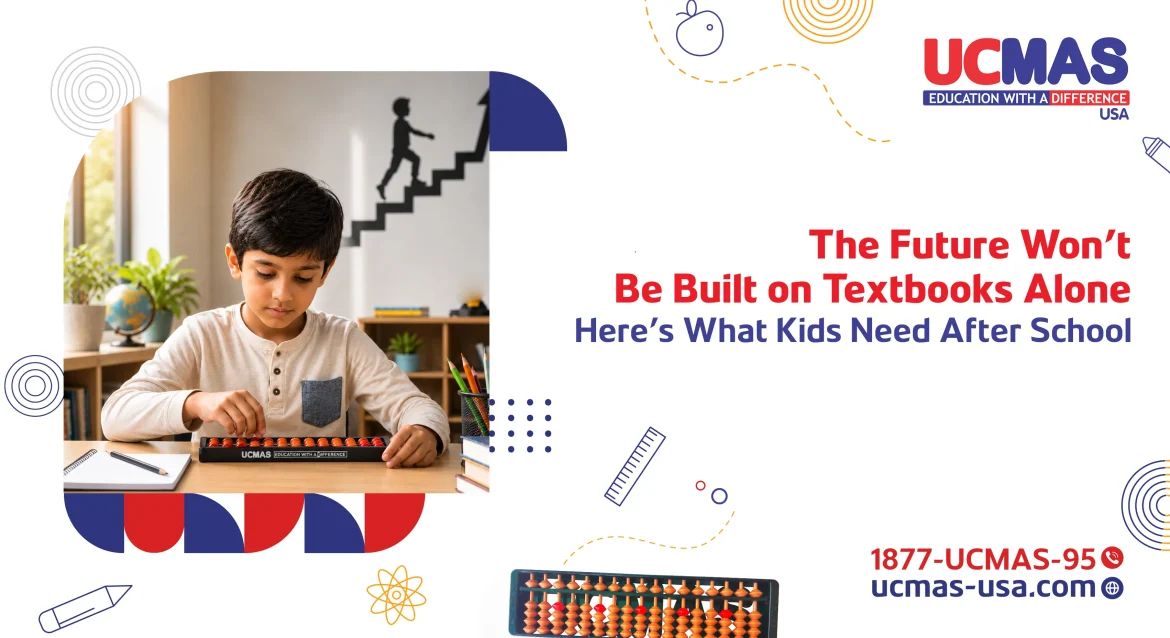
When the final school bell rings, a child’s learning journey doesn’t have to end. In fact, the hours after school are some of the most valuable for helping children discover new interests, strengthen life skills, and develop confidence outside the classroom.
Many Orlando parents are now looking beyond traditional tutoring to find activities that are both educational and enjoyable. Whether it’s improving math skills through an abacus, learning to code, exploring nature, or expressing creativity through art, the right after-school activity can have a lasting impact on a child’s overall development.
The key is choosing activities that not only keep children engaged but also help them become curious learners, confident thinkers, and well-rounded individuals.
Let’s explore why after-school educational activities matter and the best options available for kids in Orlando.
Why Are After-School Educational Activities Important?
After-school hours offer children an opportunity to learn in ways that traditional classrooms often cannot. These activities complement school education by focusing on practical skills, creativity, collaboration, and personal growth. Here are some of the biggest benefits:
They Improve Cognitive Development
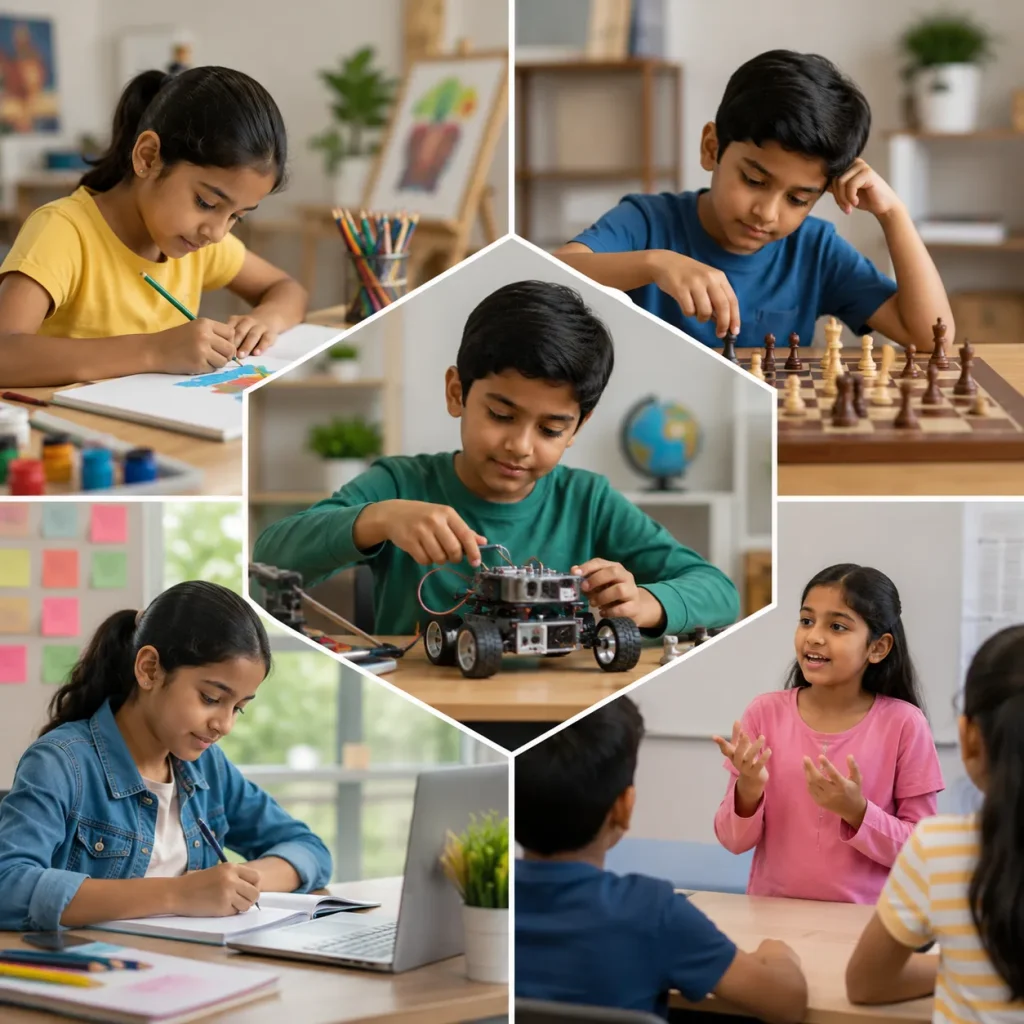
Educational activities stimulate different areas of the brain. Programs like mental math, STEM, chess, and robotics improve logical thinking, memory, concentration, and analytical skills. Children who regularly participate in challenging learning activities often become more confident problem-solvers.
They Build Confidence
Mastering a new skill gives children a sense of achievement. Whether they learn a musical instrument, solve complex math problems, or complete a robotics project, every accomplishment boosts self-esteem.
Confident children are more willing to participate in class, ask questions, and embrace new challenges.
They Encourage Creativity
Creative activities allow children to think beyond textbooks. Painting, theatre, music, storytelling, and science experiments encourage imagination while improving communication and emotional expression.
Creativity also plays an important role in innovation and future career success.

They Improve Social Skills
Many educational activities involve teamwork and collaboration. Children learn to communicate, listen to others, solve conflicts, and work toward shared goals.
These interpersonal skills become valuable throughout life.
They Reduce Screen Time
With digital devices becoming an increasingly large part of everyday life, educational activities provide a healthier alternative to excessive screen time.
Instead of spending hours on phones or tablets, children actively engage their minds and bodies in productive learning experiences.
They Help Children Discover Their Interests
Every child is unique. Some enjoy science, others love art, while some naturally excel in mathematics or sports.
Trying different after-school activities helps children identify their passions early, allowing parents to nurture their strengths.
Best Educational Activities for Kids in Orlando Beyond School Hours
1. Abacus and Mental Math Programs
If you’re looking for an after-school activity that combines fun with meaningful academic growth, abacus and mental math classes are an excellent choice. Unlike traditional tutoring, which often focuses on memorization and repetitive practice, these programs teach children to visualize numbers and perform calculations mentally.
Students first learn using a physical abacus before progressing to an imaginary one, enabling them to solve complex calculations with remarkable speed and accuracy.
What makes abacus training unique is its ability to engage both the left and right hemispheres of the brain. The left brain supports logical thinking, numerical reasoning, and analysis, while the right brain is responsible for visualization, creativity, imagination, and memory. By combining mental visualization with arithmetic, abacus training promotes whole-brain development, helping children build stronger neural connections during their formative years.
The benefits extend well beyond mathematics. Regular practice improves
- Concentration,
- Memory retention,
- Observation skills,
- Problem-solving, and
- Critical thinking.
Children often become more confident learners, better able to focus in the classroom and approach challenges with a positive mindset. Many parents also notice improvements in other subjects, as enhanced cognitive abilities support overall academic performance.
For many Orlando families, mental math programs have become a valuable investment in their child’s future, offering an engaging way to strengthen cognitive development while building essential life skills that last well beyond the classroom.
2. STEM and Robotics Programs
Science, Technology, Engineering, and Mathematics (STEM) programs have become one of the most sought-after after-school activities as parents look to equip their children with the skills needed for a rapidly evolving world. Rather than relying on textbooks and memorization, STEM learning encourages children to explore, experiment, and discover solutions through hands-on experiences. This practical approach makes learning both engaging and meaningful.
Whether it’s building a robot, writing their first lines of code, designing engineering models, conducting science experiments, or exploring electronics, children develop critical thinking, creativity, and problem-solving skills while working on real-world challenges. These activities also teach perseverance, collaboration, and adaptability as students learn through trial and error.
More importantly, STEM programs nurture a growth mindset, inspiring young learners to become confident thinkers, creators, and future innovators in an increasingly technology-driven world.
3. Coding Classes
In today’s digital world, technology is influencing almost every industry, making coding one of the most valuable skills children can develop from an early age. Coding classes introduce programming concepts in a fun and engaging way through games, animations, storytelling, and interactive projects, allowing children to learn while creating something of their own.
Beyond teaching children how to write code, these classes help them understand how technology works and encourage them to think like creators rather than just consumers of digital content. As they build apps, games, or simple websites, children learn to break complex problems into smaller, manageable steps, a skill known as computational thinking.
Coding also nurtures logical reasoning, creativity, persistence, and analytical thinking. Since programming often involves debugging and refining code, children quickly learn that mistakes are not failures but opportunities to improve and find better solutions. This resilience and problem-solving mindset benefits them far beyond the computer screen, helping them approach academic challenges and everyday situations with confidence.
4. Art, Music, and Creative Workshops
Creative education helps children express themselves while improving focus and emotional intelligence.
Whether it’s painting, pottery, dance, theatre, or music, creative programs encourage imagination and confidence.
These activities help children:
- Improve communication
- Express emotions
- Build confidence
- Develop patience
- Enhance creativity
Children who engage in the arts often become stronger communicators and more innovative thinkers.
5. Reading Clubs and Language Programs
Strong literacy skills form the foundation of academic success.
Reading clubs encourage children to develop better vocabulary, comprehension, and critical thinking while nurturing a lifelong love for books.
Language classes also expose children to new cultures and improve communication skills.
Benefits include:
- Better vocabulary
- Improved reading comprehension
- Stronger writing skills
- Enhanced communication
- Greater imagination
6. Chess and Strategy Games
Chess may seem like just a board game, but it’s one of the best educational activities for developing strategic thinking.
Children learn how to:
- Plan ahead
- Evaluate consequences
- Make decisions
- Solve complex problems
- Stay patient under pressure
These skills naturally transfer into schoolwork and everyday life.
7. Science Museums and Educational Attractions
Orlando is home to several educational attractions that make learning exciting.
Visits to science museums, interactive exhibits, aquariums, and space-themed attractions encourage curiosity through hands-on experiences.
Children learn best when they can see, touch, and explore concepts themselves.
8. Outdoor Nature Programs
Outdoor learning combines education with physical activity.
Nature walks, environmental workshops, gardening, wildlife exploration, and conservation programs teach children about ecosystems while encouraging observation and curiosity.
These activities help children:
- Appreciate nature
- Improve observation skills
- Build environmental awareness
- Stay physically active
9. Sports with Skill Development
Sports are about much more than fitness.
Activities like swimming, martial arts, soccer, gymnastics, basketball, and tennis teach discipline, teamwork, leadership, resilience, and goal-setting.
Children also learn how to manage success and failure in healthy ways.
How to Choose the Right Educational Activity for Your Child
With so many after-school programs available in Orlando, finding the right fit for your child can feel overwhelming. Here are a few factors to consider before making a decision.
Consider Your Child's Interests
Every child is different. Some enjoy solving puzzles and working with numbers, while others thrive in creative environments or physical activities. Choosing an activity that genuinely excites your child increases the likelihood that they will stay engaged, motivated, and committed over the long term.
Instead of following trends, focus on what sparks your child’s curiosity.
Focus on Skill Development
Look beyond simply keeping your child occupied after school. The ideal program should help them develop valuable life skills such as critical thinking, creativity, communication, problem-solving, leadership, and confidence.
Activities that promote cognitive development and independent thinking often provide long-term benefits that extend well beyond the classroom.
Look for Qualified Instructors
The quality of instruction can significantly impact your child’s learning experience. Choose programs led by experienced and well-trained educators who create a positive, encouraging environment.
Good instructors understand that every child learns differently and adapt their teaching methods to suit individual learning styles and abilities.
Maintain a Healthy Balance
While after-school learning is beneficial, children also need time to relax, complete homework, spend time with family, and simply play. Avoid filling every afternoon with structured activities.
A balanced schedule helps prevent burnout and allows children to enjoy learning without feeling overwhelmed.
Encourage Consistency
No matter which activity you choose, consistency is essential for meaningful progress. Skills such as concentration, creativity, coding, music, or mental math develop gradually through regular practice.
Choose a program that fits comfortably into your family’s routine so your child can participate consistently and build confidence over time.
Ultimately, the right educational activity challenges your child, nurtures their interests, and supports their overall growth. When learning is enjoyable and consistent, children are more likely to develop skills that benefit them throughout their academic journey and beyond.
Why Mental Math Programs Stand Out
Every after-school activity offers something valuable, whether it’s creativity through art, teamwork through sports, or innovation through STEM. However, mental math programs like UCMAS stand apart by combining academic excellence with holistic cognitive development.
At the heart of UCMAS is the belief that true education is about unlocking a child’s full potential, not just teaching them to solve equations. The program creates an engaging learning environment where children are encouraged to think independently, embrace challenges, and enjoy the learning process. As they progress through the curriculum, they develop greater confidence, resilience, and a lifelong love for learning, qualities that continue to benefit them well beyond their school years.
Today, UCMAS has empowered millions of children in over 80 countries, helping them become more confident, focused, and independent learners. Its proven methodology is built on the philosophy that education should not be limited to achieving better grades but should nurture the whole brain, enabling children to think faster, learn more effectively, and approach challenges with confidence.
The hours after school can have a lasting impact on a child’s future. By choosing enriching educational activities, you can give your children opportunities to discover new interests, develop essential life skills, and unlock their true potential.
Ready to give your child a head start? If you’re searching for one of the best educational activities for kids in Orlando, UCMAS offers the perfect blend of fun, learning, and cognitive development. Find your nearest UCMAS center, book a free info session, and help your child unlock a brighter future today.
FAQs
The best activities include abacus and mental math, STEM programs, coding, robotics, chess, arts, music, sports, and reading clubs. These activities help children build academic, creative, and social skills.
Orlando offers several options, including UCMAS Mental Math, STEM classes, coding programs, sports, art workshops, and language programs. Choose one based on your child’s interests and learning goals.
Activities like abacus, chess, coding, STEM projects, puzzles, and music improve memory, concentration, creativity, logical thinking, and problem-solving skills.
Yes. Abacus training improves focus, memory, visualization, confidence, and problem-solving skills, which support learning across multiple subjects.
Programs like mental math, STEM, robotics, sports, art, music, and outdoor activities provide engaging alternatives to excessive screen use.
Choose activities that match your child’s interests while balancing learning, play, family time, and relaxation. Consistent participation helps children develop valuable skills.
STEM focuses on creativity, innovation, and problem-solving, while tutoring supports academics. A combination of both can provide well-rounded development.
UCMAS focuses on whole-brain development through abacus and mental math training. It helps children improve concentration, memory, visualization, and confidence while building lifelong learning skills.