

Children today are surrounded by screens—smartphones, tablets, gaming devices, and digital learning tools. While technology has its benefits, excessive screen exposure is increasingly linked to reduced attention span, poor concentration, and lower memory retention in children. Many parents are now actively searching for ways to improve kids memory without screen time and encourage healthier learning habits.
The good news is that memory can be strengthened naturally through engaging activities, daily routines, and structured brain training methods. Programs like those offered by UCMAS USA focus on building strong cognitive abilities through mental math and visualization techniques that support long-term cognitive development for kids.
In this guide, we’ll explore why memory development matters, the signs your child may need help, and practical brain training activities for kids that can help improve child memory naturally—all without relying on screens.
Why Memory Development Is Important for Children
Memory plays a critical role in how children learn, think, and process information. When children develop strong memory skills early, it significantly improves their ability to absorb new knowledge.
Memory Supports Academic Learning
Children rely on memory to retain classroom lessons, follow instructions, and apply concepts during exams or assignments. Strong memory skills help them recall information faster and build stronger foundations in subjects like math, reading, and science. This is why experts emphasize early memory improvement for kids through engaging learning activities.
Strong Memory Builds Confidence
Children who remember instructions and lessons easily tend to feel more confident in their abilities. When kids experience success in learning, it reduces frustration and encourages them to stay curious and motivated.
Memory Is Linked to Brain Development
Memory training strengthens neural pathways in the brain. Activities that challenge the brain regularly contribute to better cognitive development for kids, improving their problem-solving ability and overall academic performance. Research also shows that early numeracy and mental exercises contribute to long-term learning success. You can explore more about this in this guide on how early math skills shape future success.
Signs Your Child May Need Memory Improvement
Every child develops at their own pace, but certain signs may indicate that your child could benefit from activities designed to improve child memory naturally.
Difficulty Remembering Instructions
If your child frequently forgets multi-step directions, such as completing homework tasks or following classroom instructions, it may indicate weaker working memory.
Trouble Recalling What They Learned
Children with weaker recall skills may struggle to remember what they studied the previous day or frequently ask for repeated explanations.
Low Focus and Short Attention Span
When children lose track of tasks easily or get distracted quickly, it often affects their ability to retain information. Improving focus is an important part of memory improvement for kids.
Overdependence on Digital Devices
Children who spend excessive time on screens often rely on digital stimulation instead of actively engaging their minds. Reducing screen time and introducing brain exercises for children can help restore healthy cognitive habits.
Screen-Free Activities That Improve Memory
Parents often assume learning requires digital tools, but some of the most effective brain training activities for kids are simple, interactive, and screen-free.

Abacus Practice for Visual Memory
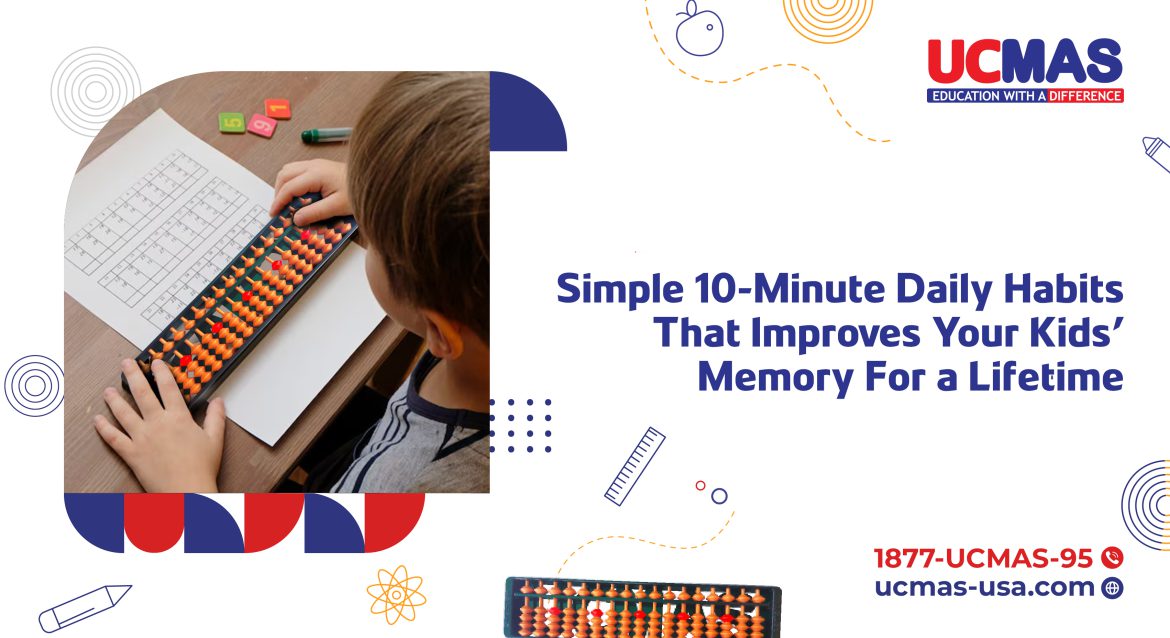
Abacus training is widely known for strengthening visualization skills. Children learn to imagine the abacus mentally while solving calculations, which significantly boosts memory and concentration.
Programs like UCMAS emphasize visualization techniques that improve mental recall and speed. You can read more about how this method helps build focus in this article on why abacus builds attention span in the TikTok generation.
Mental Math Games
Quick mental calculations challenge children to process numbers rapidly without external aids. These exercises strengthen working memory and encourage logical thinking. Mental math is one of the most effective ways to improve kids memory without screen time.
Storytelling and Recall Exercises
Storytelling is a powerful cognitive activity. Asking children to retell stories in their own words strengthens sequential memory and comprehension skills.
This activity also encourages imagination while acting as a natural form of brain exercises for children.
Puzzles and Visualization Activities
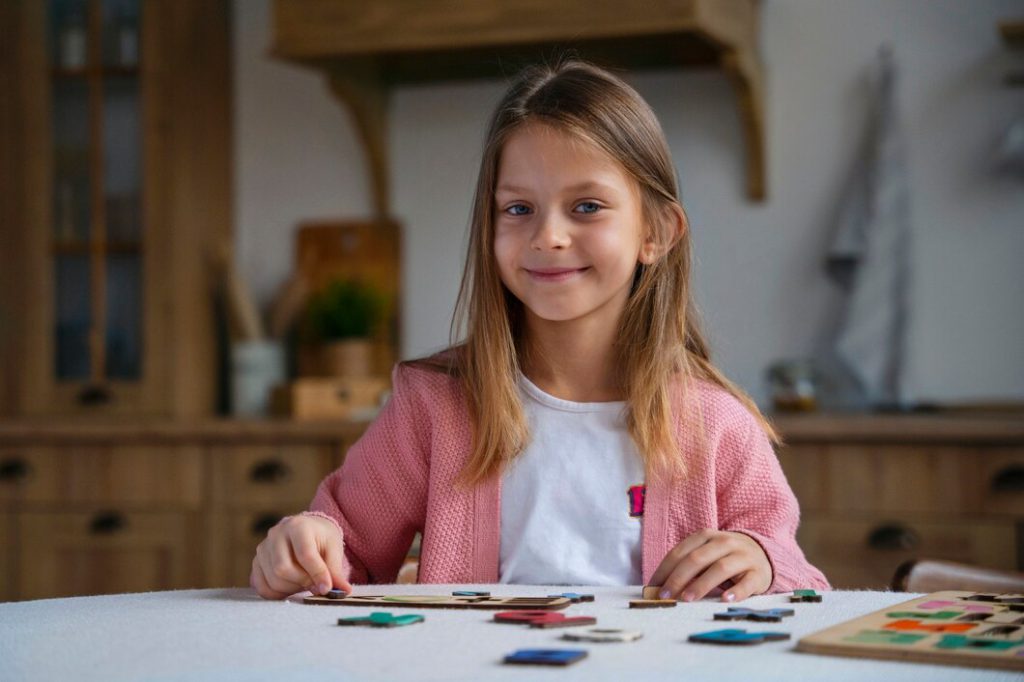
Puzzles, pattern games, and memory card activities stimulate different areas of the brain. These activities require children to observe patterns, remember sequences, and apply logic—all of which contribute to cognitive development for kids.
For more ideas, explore this guide on smart activities to improve child memory.
Daily Routines That Strengthen Brain Development
Developing strong memory skills requires consistency. Incorporating simple habits into daily routines can significantly improve memory and concentration.
Encourage Reading Every Day
Reading stimulates imagination and strengthens recall ability. Children who read regularly develop stronger vocabulary and better comprehension skills.
Practice Brain Exercises Regularly
Short daily challenges—like solving puzzles, mental math questions, or memory games—are excellent brain training activities for kids. These activities help reinforce neural connections and improve recall speed.
Ensure Proper Sleep and Nutrition
Sleep is essential for memory consolidation. During sleep, the brain processes and stores information learned throughout the day. Balanced nutrition also plays a key role in supporting healthy cognitive development for kids.
Physical Activity and Brain Function
Regular physical activity improves blood circulation to the brain, which supports memory retention and concentration. Active children often show better focus improvement for children compared to sedentary lifestyles.
How Abacus Training Improves Memory and Concentration
Among various learning methods, abacus training is widely recognized for its long-term cognitive benefits.
Visualization-Based Learning
Children trained in abacus methods learn to visualize numbers and calculations mentally. This strengthens visual memory and improves processing speed.
Dual Brain Activation
Abacus learning stimulates both hemispheres of the brain simultaneously. This balanced brain activation supports creativity, logical thinking, and better problem-solving. Learn more about this in this article on how brain balance helps kids learn better.
Faster Calculation and Stronger Recall
Through regular practice, children become faster at calculations and develop stronger recall abilities. These benefits contribute to improved academic performance and stronger mental agility.
Long-Term Cognitive Benefits
Beyond academic improvement, abacus training builds confidence and independent thinking. Many parents notice their children becoming more focused and confident in their abilities. You can explore this further in this article on how abacus math helps build confidence in kids.
Tips for Parents to Reduce Screen Dependence
Reducing screen time doesn’t mean eliminating technology completely. Instead, it involves creating healthier alternatives that engage children mentally.
Set Clear Screen-Time Limits
Establishing boundaries helps children develop better digital habits while creating time for learning and creativity.
Replace Screen Time With Brain Activities
Encourage activities like puzzles, reading, mental math challenges, and creative storytelling. These alternatives promote brain exercises for children and help improve child memory naturally.

Create a Learning-Friendly Environment
Provide children with educational games, books, and engaging activities that stimulate curiosity. A supportive environment makes it easier for children to stay focused and motivated.
Enroll Children in Cognitive Development Programs
Structured programs provide consistent learning routines and professional guidance. Programs offered by UCMAS USA combine mental math training with visualization exercises to support memory improvement for kids and long-term cognitive development.
Building Strong Memory in a Screen-Dominated World
Children’s brains grow strongest when they actively engage with challenges rather than passively consume digital content. By introducing simple brain training activities for kids, encouraging daily learning routines, and focusing on screen-free learning, parents can successfully improve kids memory without screen time.
Activities like puzzles, storytelling, mental math, and structured abacus training are powerful ways to support cognitive development for kids, improve focus, and build confidence.
If you want to explore structured programs designed to improve child memory naturally, visit UCMAS USA to learn how abacus-based learning strengthens memory, concentration, and mental agility.
Book a free information session with us to learn how abacus learning helps children develop stronger memory, concentration, and problem-solving skills.
FAQs
You can improve your child’s memory naturally by encouraging activities like reading, storytelling, puzzles, mental math games, and regular brain exercises that stimulate thinking and recall.
Excessive screen time can reduce attention span and mental engagement, which may negatively affect memory development and concentration in children.
Activities such as abacus practice, puzzles, memory card games, storytelling recall, and mental math exercises are effective ways to strengthen memory in children.
Abacus training improves memory by teaching children to visualize numbers and calculations mentally, which strengthens visual memory, concentration, and cognitive processing speed.
Foods rich in omega-3 fatty acids, antioxidants, and vitamins—such as nuts, fish, eggs, berries, and leafy greens—help support healthy brain development and memory function in children.